Do Loyalty Programmes Really Have a Positive Impact on Indian Retailers?

Published:
Last Updated:
In today’s hyper-competitive Indian retail landscape, brands and retailers are constantly looking for strategies that can help them stand out from their competitors, build deeper customer relationships, and boost both footfall and revenue. One approach that has become ubiquitous over the past decade is the customer loyalty programme - a mechanism designed to grow repeat business, strengthen customer engagement, and ultimately increase profitability.
But the big question remains:
Do loyalty programmes truly deliver a positive impact for Indian retailers - or are they just another marketing buzzword?
In this comprehensive article, we will explore how loyalty programmes are evolving in the Indian retail ecosystem, why some programmes fail, what success looks like today, and how modern retail technology - especially integrations between POS, ERP, OMS, analytics, and third-party loyalty partners - plays a crucial role in making loyalty meaningful and measurable.
Why Loyalty Programmes Matter in Indian Retail
Competition in the Indian retail sector is fierce. From local kirana stores to large format retail chains and omnichannel D2C brands, every player is vying for customer attention and wallet share. A loyalty programme is more than just a perks card; it is a brand’s promise of value, designed to:
- Reward repeat purchases
- Encourage higher spend per visit
- Build emotional connection with the brand
- Collect valuable customer data
- Enable personalized engagement
However, the mere existence of a loyalty programme does not guarantee success. Only when loyalty schemes are closely tied to customer experience, analytics, and operations do they truly benefit the retailer.
Many Indian retailers base their loyalty programmes on points, where customers earn points for purchases that can later be redeemed for benefits. This traditional model remains widely used, but over time retailers have also begun adopting hybrid models that combine points, discounts, VIP tiers, member-exclusive offers, and experience-based rewards to appeal to a broader customer base and influence behaviour in more impactful ways.
Loyalty in India is now fueled by digital interactions, mobile apps, data analytics, and integrated systems — far beyond just handing out plastic cards.
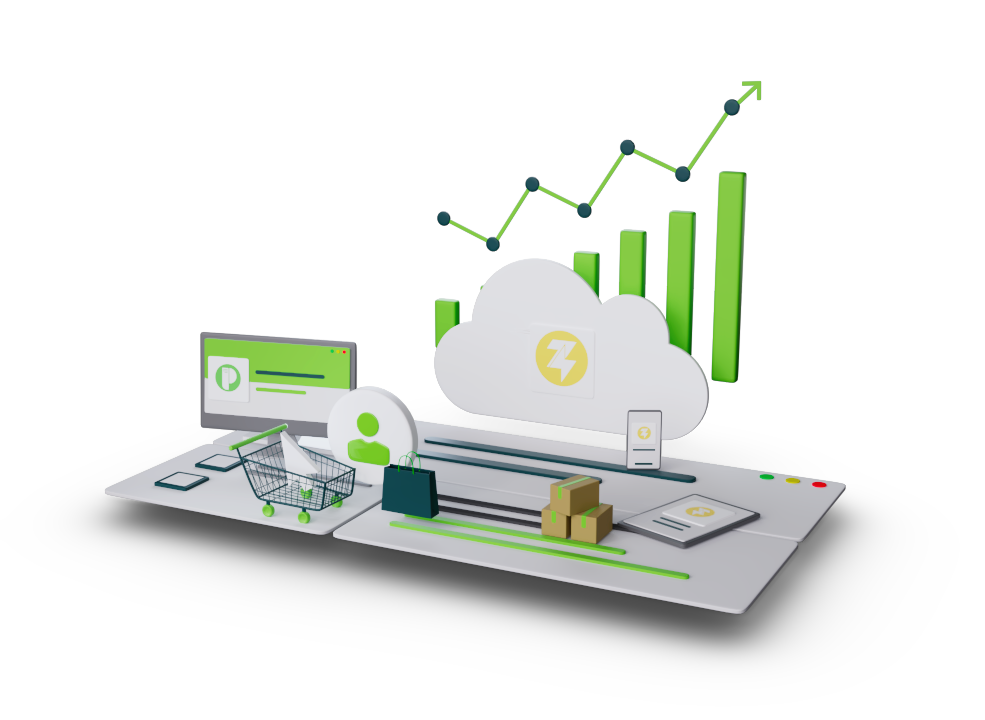
Capture every customer detail at checkout with a POS built for modern loyalty.
The Loyalty Programme Reality in India
Loyalty programmes have become a staple for most organized retailers in India. Millions of customers are enrolled across sectors — fashion, electronics, grocery, lifestyle, beauty, and more. Despite the high adoption, many retailers still struggle to measure the true impact that their loyalty efforts are having.
A recurring issue is the gap between programme participation and actual customer loyalty — that is, the degree to which a customer continues to shop with a brand over time and advocates for it.
Some key industry observations around loyalty include:
- A significant number of retailers invest time and money into loyalty programmes but remain uncertain about their effectiveness.
- Even when loyalty programmes exist, only a small percentage of customers demonstrate sustained brand loyalty, especially when competing offers or convenience factors come into play.
- Many programmes fail to deliver differentiated experiences or personalized incentives, leading customers to participate passively without meaningful engagement.
A core reason behind this is that only a handful of retailers fully integrate loyalty across all customer touchpoints and business systems, limiting the program’s ability to influence behaviour in real time.
In other words, loyalty programmes must be more than standalone marketing initiatives — they must be embedded into the retail technology ecosystem and customer experience strategy.
The Technology Gap in Loyalty Success
One of the biggest challenges Indian retailers face is the ineffective use of customer data.
Retail generates data at every step:
- Purchase history
- Frequency of visits
- Average basket size
- Product preferences
- Channel of engagement
But without the right technology to capture, integrate, and analyze this data, retailers are unable to transform it into actionable customer insights.
To truly understand customer behaviour and personalize loyalty incentives, retailers need systems that can:
- Capture customer information at every point of interaction
- Connect POS data with ERP and backend systems
- Track loyalty engagement across all channels
- Feed unified customer insights into loyalty platforms
- Enable real–time decision making
This is where Ginesys One and its integrated ecosystem of retail solutions come into play.
Ginesys One: A Unified Retail Technology Backbone
Ginesys One is a comprehensive retail technology suite designed to help retailers operate efficiently across in-store, online, and omnichannel channels. The suite includes:
- Ginesys ERP – Core enterprise resource planning tailored for retail and wholesale
- Ginesys POS – Store billing and customer engagement interface
- Zwing POS – Cloud-based and mobile POS for flexibility and reach
- Browntape (OMS) – Order management for omnichannel fulfillment
- EaseMyGST – GST compliance automation
- Ginesys BI and InsightX – Real-time business intelligence and analytics
While Ginesys One does not have its own proprietary loyalty engine, it is built to seamlessly integrate with multiple loyalty partners and CRM platforms, ensuring that loyalty data flows consistently across the retail ecosystem and drives real business value.
Loyalty Integration: What It Means and Why It Matters
Most traditional loyalty programmes underperform because they aren’t integrated with key operational systems. When loyalty remains a siloed marketing tool:
- Rewards aren’t applied consistently at checkout
- Customer transactions aren’t linked with loyalty profiles
- Insights are delayed or inaccurate
- Inventory and promotional outcomes aren’t correlated
Modern loyalty success requires a connected retail technology backbone where:
- POS, ERP, analytics, and loyalty systems speak to each other
- Customer actions at the store instantly update loyalty platforms
- Loyalty data feeds into analytics for smarter campaign planning
With Ginesys One, retailers can integrate their POS (both Ginesys POS and Zwing POS) with established loyalty platforms such as eWards, Easyrewardz, OptCulture, Froogal, Casa Retail, Xeno, Billfree, Loylty Rewardz, Blue Ocktopus, and others.
This means that loyalty actions are synchronized, accurate, and actionable — a major step forward from disjointed or manual loyalty workflows seen in many retailers today.

Bridge the gap between your physical stores and online shop with a unified loyalty experience.
How Loyalty Integration Works in Practice
When a customer shops at a store and presents their loyalty identifier (like a member ID, phone number, or QR code), an integrated POS system:
- Recognizes the customer profile
- Applies relevant loyalty points or discounts
- Sends transaction data to the loyalty partner
- Updates the customer’s loyalty status or point balance
- Synchronizes the results with the retail ERP and central systems
This integration ensures:
- Accurate reward accounting
- Improved customer experience at checkout
- Real-time loyalty activity tracking
- Unified customer data across channels
By automating these processes, retailers create a frictionless loyalty experience that strengthens customer relationships and drives measurable business outcomes.
Common Types of Loyalty Models Used Today
While points-based loyalty is still widely used, many Indian retailers today employ mixed or hybrid loyalty models that combine multiple incentives for maximum impact. This includes:
1. Points-Based Rewards
In this model, customers earn points for every rupee spent. These points can later be redeemed for:
Discounts on future purchases
- Exclusive products
- Gift vouchers
- Event invitations
Points-based systems help stimulate repeat purchases and increase average customer lifetime value.
2. Discount or Cashback-Based Loyalty
Some programmes provide instant gratification through:
- Direct discounts
- Cashback on purchases
- Tiered pricing benefits
- These models appeal to price-sensitive shoppers and often result in increased transaction frequency.
3. Hybrid or Mixed Loyalty
The most sophisticated loyalty programmes combine both points and direct benefits, allowing customers to:
- Earn points over time
- Enjoy immediate rewards
- Unlock member tiers and exclusive benefits
Mixed loyalty models are increasingly popular because they appeal to both rational (savings-driven) and emotional (recognition-driven) motivations.
4. Tiered Loyalty
Customers are segmented into tiers such as Silver, Gold, Platinum based on spending behaviour. Higher tiers receive better benefits, which motivates customers to increase engagement with the brand.
5. Experiential Loyalty
Beyond points and discounts, some pogrammes reward customers with experiences — VIP access, early product launches, birthday gifts, special events — deepening emotional engagement.
These modern loyalty tactics require accurate customer tracking and advanced data analytics — which is where integrated POS + ERP + loyalty partner ecosystems provide a competitive advantage.
The Reality of Loyalty Claims in Retail
Despite increasing investments, many loyalty programmes do not deliver expected returns because:
- They are treated as marketing add-ons rather than core business strategies
- They lack deep integration with POS and backend systems
- They do not factor in customer lifetime value (CLV)
- Data is siloed across systems and channels
- Personalization is poor or non-existent
Retailers that succeed with loyalty programmes typically do so because they have technology that ties loyalty into every part of the customer experience — from checkout to analytics, inventory planning to campaign management.
Role of Analytics in Loyalty Programme Success
Collecting loyalty data isn’t enough. The key lies in interpreting that data for smarter decisions. With integrated analytics platforms like Ginesys BI and InsightX, retailers can:
- Segment customers based on behaviour
- Identify high-value loyalty members
- Track redemption rates and ROI on loyalty campaigns
- Predict future purchase behaviour
- Optimize loyalty offers for better engagement
Analytics transforms loyalty programmes from guesswork into a data-driven revenue engine.
Omnichannel Loyalty: A Competitive Differentiator
Today’s customers shop across devices and channels — in store, online, mobile apps, and marketplaces. If loyalty points don’t work consistently across all these touchpoints, the customer experience suffers.
Integrations through systems such as Browntape (Ginesys OMS) ensure:
- Loyalty earned online can be redeemed in store
- Rewards apply uniformly across channels
- Customer profiles remain unified
This omnichannel capability is a major advantage for retailers aiming to boost customer satisfaction and loyalty in a seamless, frictionless way.
Loyalty and Customer Data: Why It Matters
Loyalty programmes are essentially about customer data — gathering it, understanding it, and using it to strengthen relationships.
When a retailer can link purchase history, product preferences, repeat frequency, and channel behaviour to a loyalty profile, they unlock powerful insights that drive:
- Personalized marketing
- Better inventory planning
- Targeted promotions
- Loyalty-driven segmentation
This integrated customer view allows retailers to move beyond generic loyalty to intelligent engagement — where every offer feels relevant and valuable to the customer.
Integrations That Power Loyalty for Retailers
Ginesys supports integration with multiple loyalty partners that help retailers run sophisticated loyalty programmes while keeping operations smooth and data accurate:
Loyalty & Customer Engagement Partners
- Easyrewardz: CRM and loyalty solutions with AI-based analytics and omnichannel engagement.
- eWards: Personalized customer engagement, reward campaigns, and behavioural analytics.
- OptCulture: Loyalty suite with email/SMS automation and analytical insights.
- Froogal: End-to-end loyalty and customer experience management.
- Casa Retail: Incentivizes repeat purchases with personalized coupons and loyalty tracking.
- Xeno: AI-powered segmentation and personalized engagement.
- Billfree: Real-time loyalty rewards and customer engagement.
- Loylty Rewardz: Comprehensive loyalty and rewards management platform.
- Blue Ocktopus: Data-driven loyalty and engagement strategies.
These partners enable retailers to implement a wide range of loyalty models from points and tiered rewards to personalized campaigns and omnichannel engagement all while keeping transactions, analytics, and financial data synchronized with Ginesys systems.
The Positive Impact of Loyalty on Retail Metrics
When loyalty programmes are implemented correctly with integrated systems, Indian retailers can see measurable improvements in key business metrics:
1. Increased Repeat Purchases
Retailers gain more frequent visits from loyalty members who are incented to return for points or benefits.
2. Higher Average Transaction Value
Loyalty incentives often encourage customers to spend more to reach reward milestones.
3. Stronger Customer Retention
Customers stick with brands where they see ongoing value — especially if offers are relevant and timely.
4. Enhanced Customer Insights
Retailers with integrated technology have richer data for smarter planning and strategic decision-making.
5. Improved Omnichannel Experience
Customers enjoy a consistent loyalty experience whether they shop in store or online.
Why Some Loyalty Programmes Still Fail
Even with digital tools, loyalty programmes fail when:
- They lack personalization
- Benefits are trivial or confusing
- Redemption options are limited
- Execution at the POS is slow or inaccurate
- Data is siloed and not actionable
The solution is not just better loyalty programmes, but better integration, data usage, and customer experience orchestration.
The Future of Loyalty in Indian Retail
The future will go beyond points and discounts to include:
- Personalized AI-driven recommendations
- Predictive loyalty triggers
- Gamification of customer engagement
- Social loyalty and community-based rewards
- Unified omnichannel loyalty experiences
With retail technology evolving rapidly, retailers who adopt integrated solutions and real-time data platforms will lead the way.
Ready to see how integrated technology can boost your repeat business and revenue?
Loyalty Programmes Do Have a Positive Impact — When Done Right
Customer loyalty programmes have evolved from simple point-tracking exercises to strategic engines of customer engagement and revenue growth — but only when powered by integrated technology, real-time insights, and omnichannel execution.
For Indian retailers who leverage modern retail stacks like Ginesys One, the right loyalty integrations can:
- Improve customer retention
- Boost repeat business
- Drive higher revenue
- Enable smarter decision-making
Loyalty no longer operates in a vacuum. It thrives when connected to the entire retail ecosystem — from POS and ERP to analytics and customer engagement platforms.
Retailers who embrace this connected approach will not just see stronger loyalty performance — they will build deeper, more profitable customer relationships that drive long-term success.
Frequently Asked Questions (FAQs)
1. Do loyalty programmes really improve sales for retailers?
Yes — when properly integrated with POS, analytics, and CRM systems, loyalty programmes can improve repeat purchases, average transaction value, and long-term customer value.
2. Can small retailers benefit from loyalty programmes?
Absolutely. Even small retailers can plug their POS systems into loyalty partners and track customer behaviour to boost engagement and retention.
3. Does Ginesys offer its own loyalty system?
Ginesys does not have a proprietary loyalty management system — instead, it integrates seamlessly with multiple established loyalty partners to deliver flexible and powerful loyalty solutions.
4. How does loyalty data sync with Ginesys systems?
Loyalty data from partner platforms flows through integrated POS systems (Ginesys POS, Zwing POS) into the ERP and analytics modules for real-time visibility and actionable insights.
5. Can loyalty rewards be applied both online and offline?
Yes — through integrated systems like Browntape (OMS) and Flits (for Shopify), loyalty rewards can be consistent across channels.
6. How do retailers measure the success of loyalty programmes?
Key metrics include repeat purchase rate, redemption rate, net promoter score (NPS), and incremental revenue from loyalty segments.
7. Is customer data safe with loyalty integrations?
Yes, as long as integrations follow secure APIs and data standards, customer data remains protected and compliant with relevant regulations.
8. What retail technology do I need to run effective loyalty?
At minimum, an integrated POS, ERP, analytics platform, and connection to a loyalty partner ensure success.