Why Are Point-Of-Sale Data Breaches a Menace to Retailers?

Published:
Last Updated:
In today’s fast-paced retail world, technology has become the backbone of operations — enabling businesses to deliver seamless customer experiences, automate inventory, and boost overall efficiency. At the heart of this transformation lies the Point-of-Sale (POS) system, a critical tool that processes millions of transactions daily across global retail chains. From small boutique stores to massive supermarket networks, POS systems play a vital role in facilitating smooth checkouts, recording transactions, managing loyalty programs, and syncing real-time data with enterprise systems.
However, while these systems are indispensable to retail operations, they are also a prime target for cybercriminals. Over the last decade, POS data breaches have emerged as one of the most significant threats to retailers, affecting not only their financial stability but also their brand reputation and customer trust.
High-profile breaches involving global brands like Target, Home Depot, and Neiman Marcus have exposed millions of customer records and payment details, emphasizing just how vulnerable POS systems can be. Reports by cybersecurity firms indicate that POS-related incidents account for a large portion of data breaches in the retail sector, largely due to poor authentication measures, outdated software, vendor mismanagement, and weak network defenses.
Given these risks, it is critical that retailers invest in robust POS software solutions that offer advanced security features, comply with data protection standards, and incorporate real-time monitoring mechanisms. Let’s dive deeper into understanding the key vulnerabilities of POS systems, their real-world implications, and how retailers can proactively safeguard their businesses from potential threats.
Understanding POS Systems and Their Vulnerabilities
Before exploring the risks, it’s important to understand the structure of a POS system. Typically, a POS setup includes:
- Hardware such as barcode scanners, card readers, cash registers, and receipt printers.
- Software that manages transaction data, inventory synchronization, and customer interactions.
- Network connectivity linking multiple devices and databases for centralized control.
These components work together to facilitate sales operations — but the same integration that ensures efficiency also opens multiple entry points for cyber threats.
POS software often runs on common operating systems like Windows, Linux, or Android, which makes them convenient but also exposes them to a wider range of malware. Unlike proprietary systems, these open platforms are familiar to hackers who exploit known vulnerabilities to install malicious code, steal card data, or infiltrate connected systems.

See how modern POS platforms help retailers stay ahead of cyber threats.
Key Reasons Why POS Data Breaches Occur
To fully comprehend why POS data breaches are a growing menace, retailers must recognize the underlying causes. Below, we explore some of the most common and damaging factors contributing to these attacks.
1. Vulnerabilities in POS Software
POS systems are built for efficiency and simplicity, but that simplicity can also be their biggest weakness. The software is often designed to be compatible with popular operating systems and hardware devices, which makes it accessible — but also predictable for hackers.
Malware developers continuously create POS-specific malicious code like RAM scrapers and keyloggers that can harvest payment card data from system memory during or immediately after a transaction.
For example, in the infamous Target breach of 2013, attackers exploited a vulnerability in the POS software to inject malware that captured credit card data from millions of customers. The attack went undetected for weeks, resulting in one of the largest retail data breaches in history.
To mitigate such threats, it’s crucial for retailers to:
- Regularly update their POS software with security patches.
- Use PCI DSS-compliant POS systems that encrypt data at every point of transaction.
- Conduct frequent vulnerability assessments and penetration testing.
By treating the POS system as a living, evolving component of their digital infrastructure, retailers can reduce exposure to software-based attacks significantly.
2. Vendor-Driven Vulnerabilities
One often overlooked source of POS security risk comes from third-party vendors and service providers. Retailers depend on multiple external partners — payment processors, IT support teams, hardware suppliers, and software integrators. However, every additional partner adds another layer of potential exposure.
Poor vendor security practices, lack of standardization, and weak access management can lead to data leakage or unauthorized access.
A classic example is when attackers compromise vendor credentials to infiltrate retailer systems — as was the case with the Target breach, where hackers accessed the network using credentials from a third-party HVAC vendor.
To strengthen vendor-related security, retailers should:
- Conduct security audits of vendors before engagement.
- Establish clear data protection agreements and compliance checks.
- Limit vendor access to sensitive systems using role-based permissions.
- Require vendors to maintain multi-factor authentication (MFA) and encryption standards.
Smart vendor management not only reduces exposure but also fosters a culture of accountability and proactive defense across the supply chain.

Discover POS systems with centralized access control and vendor management.
3. Installation and Configuration Errors
Even the most secure POS software can be compromised if installed or configured incorrectly. Many retailers — particularly small and mid-sized ones — rely on in-house IT staff or external technicians to set up their POS systems.
When these individuals lack proper cybersecurity training or fail to follow best practices, it can create security loopholes. Misconfigured firewalls, default passwords, or open network ports often provide hackers with an easy entry point.
To prevent this, retailers must:
- Engage only certified integrators or authorized resellers during implementation.
- Follow vendor-provided configuration guidelines meticulously.
- Conduct a post-installation security audit before the system goes live.
Retailers should also ensure that default credentials (like “admin/admin”) are never used and that data encryption and secure access controls are active from the start.
4. Weak Network Security
A POS system doesn’t exist in isolation — it’s connected to the retailer’s internal network and often the internet. Unfortunately, this connectivity also means it’s vulnerable to network-based attacks.
If a retailer’s network lacks proper segmentation, firewalls, and encryption protocols, cybercriminals can infiltrate the POS environment and exfiltrate data remotely.
Common network security flaws include:
- Using shared Wi-Fi networks for POS and guest access.
- Weak or default router passwords.
- Absence of end-to-end encryption (E2EE).
- Failure to update or patch network devices.
To address these, retailers should:
- Isolate POS systems from public networks using VLANs or dedicated firewalls.
- Enforce strong password policies and frequent credential rotations.
- Implement intrusion detection and prevention systems (IDS/IPS).
- Encrypt all sensitive data both in transit and at rest.
Network resilience should be an ongoing process, not a one-time setup. Continuous monitoring and alert systems can help detect unusual traffic patterns early, allowing for immediate response to potential threats.
5. How Ginesys POS and Zwing POS Strengthen Security Against Data Breaches
In a landscape where POS vulnerabilities continue to evolve, investing in a secure, modern, and cloud-ready POS solution is not optional — it’s essential. This is where Ginesys POS and Zwing POS (Ginesys Cloud POS and mPOS) stand out as game-changers for retailers.
These platforms are designed with security, scalability, and reliability at their core — helping businesses prevent data breaches while simplifying day-to-day retail operations.
a. Ginesys POS – Secure, Enterprise-Grade Retail Management
Ginesys POS is a robust and feature-rich system built for multi-store and enterprise-level retail environments. What makes it stand out in the context of cybersecurity are its advanced protection mechanisms and data governance capabilities, including:
- End-to-End Encryption (E2EE): Ensures all customer payment information is encrypted from the moment a transaction is initiated until it reaches the payment processor.
- Centralized Access Control: Retailers can define user roles, access levels, and authorization rights to prevent internal misuse or unauthorized entry.
- Automatic Updates & Patch Management: Ginesys provides regular updates and security patches to eliminate emerging vulnerabilities.
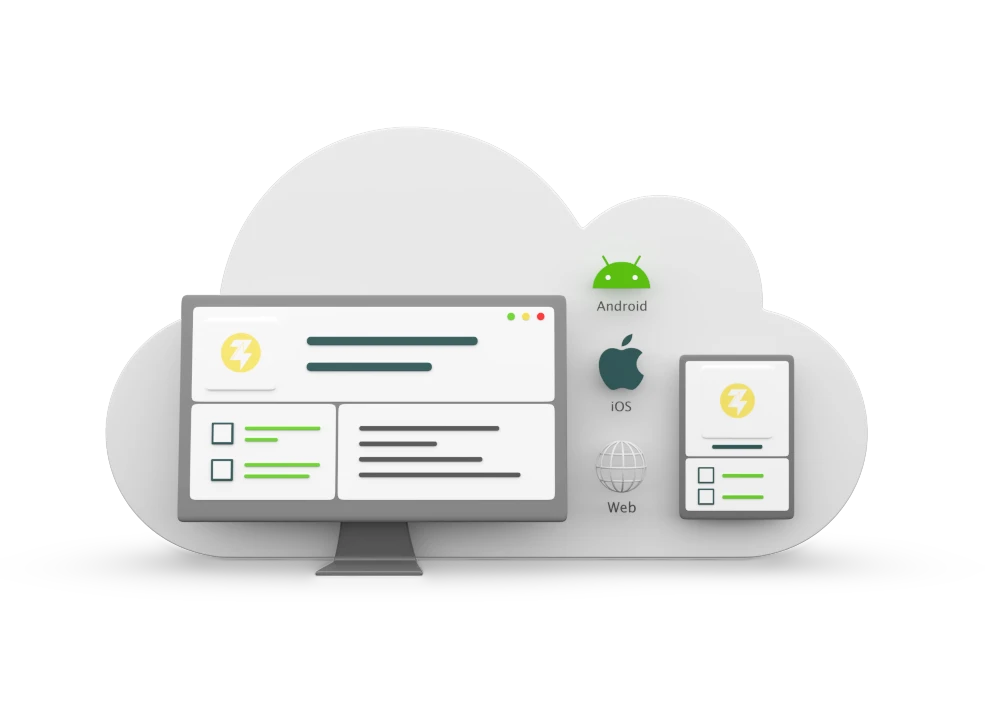
Explore how Zwing POS simplifies security for omnichannel and mPOS retail.
These features make Ginesys POS not only a sales management tool but a defensive barrier against cyber threats — one that scales as your business grows without compromising data integrity.
b. Zwing POS – The Cloud-Native and mPOS Advantage
Zwing POS, the cloud-based and mobile POS (mPOS) solution from Ginesys, brings a new layer of security and flexibility to modern retail. Since Zwing operates on a cloud infrastructure, many traditional security risks associated with on-premise systems are minimized or completely eliminated.
Key benefits of Zwing POS in preventing data breaches include:
- Cloud Security & Redundancy: Data is hosted on secure cloud servers with multiple redundancies, ensuring uptime and preventing local data loss.
- No Local Storage of Sensitive Data: Eliminates the risk of local POS terminals being compromised or stolen.
- Continuous Monitoring & Security Updates: Zwing’s cloud infrastructure enables seamless deployment of security patches and feature updates without downtime.
- Two-Factor Authentication (2FA): Prevents unauthorized access to the POS dashboard, even if user credentials are compromised.
- Scalability and Remote Management: Retailers can control, monitor, and secure all their store operations remotely through a centralized dashboard.
By using Ginesys POS for enterprise operations and Zwing POS for mobile, pop-up, or omnichannel environments, retailers get a comprehensive retail ecosystem that is not only efficient but cyber-resilient.
Together, these solutions help build customer trust, data integrity, and operational reliability — three pillars that define secure and sustainable retailing in the digital age.
The True Cost of POS Data Breaches
A POS data breach isn’t just a temporary setback — it can devastate a business’s reputation, operations, and finances. The direct financial losses include fraud-related reimbursements, forensic investigations, and legal penalties. However, the indirect damage—such as loss of consumer trust and negative media exposure—can be far more long-lasting.
Studies reveal that nearly 60% of small businesses close within six months of a cyberattack due to the overwhelming financial strain. For larger enterprises, the aftermath involves class-action lawsuits, declining stock prices, and regulatory scrutiny.
Moreover, once consumers perceive a brand as “unsafe,” regaining their trust can take years. Hence, prevention through robust cybersecurity frameworks and secure POS solutions like Ginesys POS and Zwing POS is not just advisable but essential for survival.
Retailers today operate in a digital-first environment where cybersecurity must be embedded in every business layer. POS systems are essential for sales and customer satisfaction — but they’re also a top target for cyberattacks.
The key to resilience lies in understanding inherent vulnerabilities, implementing proactive defense measures, and building a culture of cybersecurity awareness. Retailers who treat security as a continuous process — not a one-time fix — are the ones who will thrive in the digital era.
Ultimately, a secure POS system doesn’t just protect customer data — it safeguards a retailer’s most valuable asset: trust.
Frequently Asked Questions (FAQs)
1. What is a POS data breach?
A POS data breach occurs when hackers gain unauthorized access to a retailer’s POS system to steal sensitive customer or payment data.
2. Why are POS systems attractive to cybercriminals?
They handle vast amounts of financial and customer data, making them valuable targets for theft and fraud.
3. How does Ginesys POS help prevent data breaches?
Ginesys POS uses advanced encryption, tokenization, centralized user control, and real-time alerts to detect and prevent unauthorized access.
4. Is Zwing POS (Ginesys Cloud POS) safer than traditional on-premise POS?
Yes. Because Zwing operates on secure cloud infrastructure with encrypted communication and no local data storage, it greatly minimizes security risks.
5. What are some common indicators of a POS breach?
Unexplained transaction anomalies, increased network traffic, or login attempts from unknown devices are early red flags.
6. How often should retailers update POS software?
POS software should be updated as soon as security patches are released, ideally checked weekly or monthly.
7. What is PCI DSS compliance and why does it matter?
The Payment Card Industry Data Security Standard outlines strict guidelines for handling payment data securely. Compliance ensures that retailers protect customer data properly.
8. Can small retailers afford secure POS systems like Ginesys or Zwing?
Absolutely. Ginesys offers scalable solutions suited for all business sizes, while Zwing POS is ideal for small or mobile retailers seeking affordable, cloud-based security.
9. What role does staff training play in preventing breaches?
Training ensures employees follow proper password hygiene, recognize phishing attempts, and maintain consistent security practices.
10. What’s the best long-term strategy for POS security?
Adopt layered defense — secure POS software (like Ginesys/Zwing), strong networks, continuous monitoring, and vendor compliance audits.