New Wave of D2C Fashion Retail in India

Think about the last time you bought a t-shirt, a kurta or a pair of sneakers. Did it come from a multi-brand store, or straight from the brand's own website, app or Instagram page? For a growing number of Indian shoppers, it is the second, and that shift sits at the heart of the new wave of D2C fashion retail in India.
D2C stands for direct-to-consumer. A D2C fashion brand sells directly to its customers through its own webstore, social channels and marketplace storefronts, without relying on wholesalers or multi-brand retailers to reach the shopper. The brand owns the product, the price, the customer relationship and, most importantly, the data.
So why are so many apparel brands taking this route, and what does it take to run a D2C fashion business well once orders start arriving from five channels at once? Let's walk through it.
What Does D2C Fashion Retail in India Look Like Today?
Some of the best known D2C fashion brands in India, such as Nykaa, Zivame, Bombay Shirt Company, Bewakoof and The Souled Store, started as online-only brand webstores. They built their audience through social media marketing, moved onto ecommerce marketplaces like Amazon and Myntra, and eventually opened physical retail stores.
That path has become a familiar playbook for direct-to-consumer fashion:
- Launch a brand webstore and grow through social media.
- Expand reach through online marketplaces.
- Open physical stores to build trust, offer try-ons and serve shoppers who still prefer to buy in person.
Each step adds a new sales channel, and every channel adds inventory, orders and data that need to stay in sync.
Why Are Indian Apparel Brands Choosing the D2C Model?
D2C is a newer approach for Indian apparel brands, and it comes loaded with benefits. With the right technology behind it, it has proven to be a strong business model. Here is why many see D2C as the future of apparel retail in India.
A Large Market with Plenty of Room to Grow
When this article first went live in 2021, the Indian retail market was expected to show year-on-year growth of 6% by 2023, with apparel holding an 8% share, worth about USD 40 billion. The opportunity has only grown since then.
A joint study by the Clothing Manufacturers Association of India (CMAI) values India's domestic apparel market at USD 95.7 billion in 2025 and projects it to reach USD 146.3 billion by 2029, a 9% CAGR. Online apparel sales stood at USD 16.3 billion, about 17% of the market.
Across categories, Mordor Intelligence estimates India's D2C ecommerce market at USD 87.5 billion in 2025, with apparel and footwear the largest vertical at a 25.18% share. In short, there is still plenty of space for new D2C fashion brands to carve out their niche.
A Vast and Varied Audience
The audience for India's new fashion wear brands is wide. It ranges from local demand for Indian formal and casual wear to global demand for sustainable and organic Indian textiles.
Established Indian pret wear brands like Falguni Shane Peacock, Anita Dongre and Ranna Gill, all Ginesys customers, cater to selective customers in India and abroad. Newer brands like Bewakoof and Nykaa are going after the bigger market for casual and leisure wear.
Faster and Easier Store Setup
Fast internet penetration has made it easy for new fashion brands to set up online. Register on marketplaces like Myntra or Amazon and you get access to a ready customer base. With your own brand site, you can still reach a wide audience by investing well in social media marketing.
Building a webstore used to be expensive. Today it can be done in a few days on platforms like Shopify, WooCommerce and Magento.
Lower Operating Costs
Selling online removes many costs of traditional retail. There is no expensive store setup, no shelves or displays to maintain and no fixed opening hours. Your store runs 24x7 while you manage it from your office.
Locally Available and Adaptable Indian Textiles
India's wide base of locally available textiles and resources brings down manufacturing costs to a great extent. For D2C apparel brands, that means more control over margins.
Where D2C Fashion Brands Start to Feel the Strain
Growth across channels brings real operational pressure. CMAI data shows marketplaces handle about 80% of online apparel sales, while D2C websites account for the other 20%. So most D2C brands sell on several marketplaces and their own webstore at the same time.
Offline still matters too. About 83% of apparel sales in India happened in physical stores in 2025, which is why stores stay on the roadmap for most brands that want to scale.
That mix raises questions every growing brand has to answer:
- Is the stock shown on Myntra, Amazon and the webstore the same stock sitting in the warehouse?
- Which orders ship from the warehouse and which from a nearby store?
- Do marketplace payouts match invoices after commissions and charges?
- Are GST returns, e-invoices and e-way bills generated on time across channels?
- Which styles, sizes and colours are actually selling, and where?
When these answers live in separate spreadsheets and tools, brands end up overselling, carrying the wrong stock and losing hours to manual reconciliation. Before you scale, it helps to get clear on the key business metrics every D2C brand should track.
How the Right Retail Technology Helps D2C Fashion Brands Scale
Combining your webstore with a cloud-based retail solution that automates production, procurement, inventory management, billing, discounts and more is a recipe for retail success. The Ginesys Suite brings this together as one connected tech stack built for D2C brands, so online, offline and omnichannel operations run from a single cloud platform.
Ecommerce Order Management Across Online Channels
Ginesys OMS publishes store and warehouse inventory across marketplaces and your webstore, and processes B2B and B2C orders from one place. It comes pre-integrated with marketplaces like Amazon, Myntra, Flipkart and JioMart, shopping carts like Shopify, Magento and WooCommerce, and logistics providers, so orders ship faster.
It also matches marketplace payments against invoices after deducting charges, which makes receivables reconciliation far simpler.
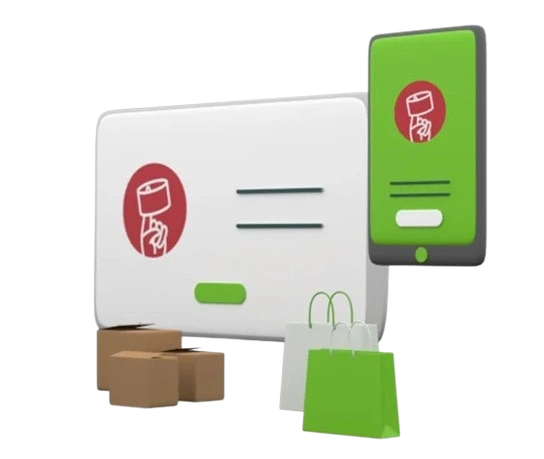
Sell on every marketplace and your own webstore from one stock pool with Ginesys OMS.
Retail ERP for Streamlined Back-Office Operations
Ginesys ERP manages merchandise, pricing, vendor information and purchase orders, along with inventory, procurement, production, sales and distribution, and finance. For D2C brands that make their own products, production management keeps manufacturing visible end to end.
GST returns, e-invoicing and e-way bills are automated, which takes a big compliance load off lean finance teams.
Warehouse Management for Faster Order Fulfilment
With the Ginesys WMS app, warehouse teams pick orders from bins and dispatch them quickly. That keeps delivery promises on track, even during peak sale events.
Cloud POS for Expanding into Physical Retail
When a D2C label opens its first store, Ginesys POS (cloud, desktop and mobile) shares promotions, customer data and inventory with the rest of the suite. Berrylush, a D2C fashion brand on Ginesys, says it takes just one day to set up a whole store because the POS is deeply integrated with the ERP.
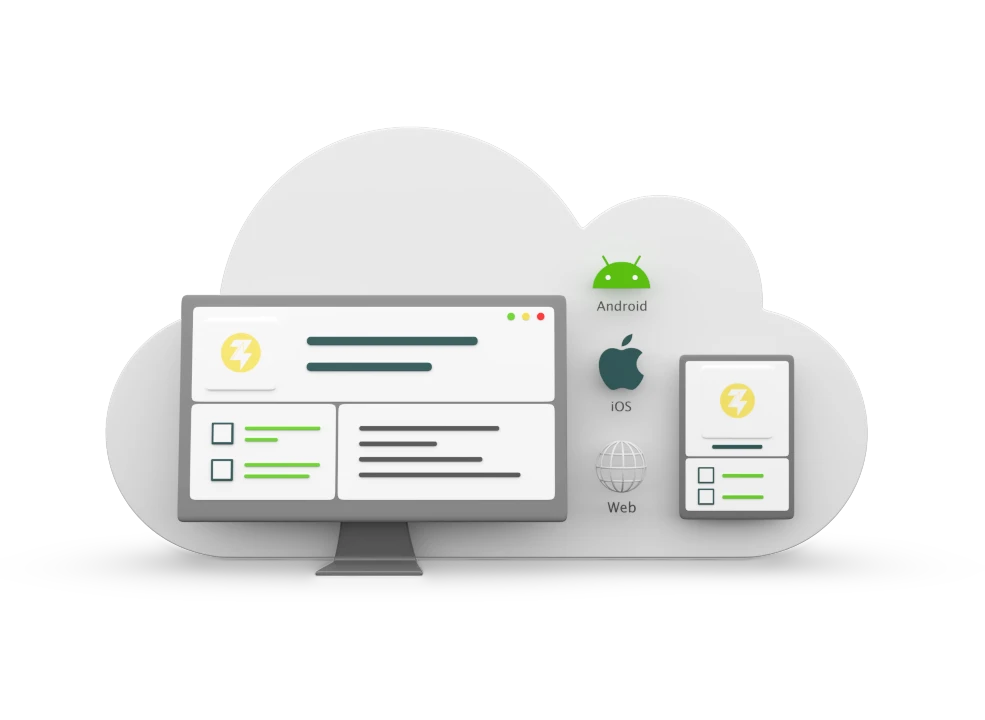
Take your D2C brand offline faster with Ginesys Cloud POS, synced with your online inventory.
Retail Analytics for Smarter Business Decisions
InsightX and Ginesys Business Intelligence turn sales, stock and channel data into clear dashboards. Teams can see which styles sell, which channels perform best and where to replenish next.
Build Your D2C Fashion Brand on One Connected Platform
D2C fashion retail in India is moving fast toward a digital, omnichannel future. Brands that win won't just have great products and smart marketing. They'll also have the systems to sell everywhere, ship on time and see their whole business in real time.
Ginesys One brings ERP, omnichannel OMS, WMS, POS and Business Intelligence together, so your team can focus on building the brand instead of fixing stock and order errors.

Scale your D2C fashion brand from the first webstore to nationwide retail on one connected platform.
FAQs
1. What is D2C fashion retail?
Ans. D2C fashion retail is when an apparel or accessories brand sells directly to shoppers through its own webstore, app, social channels and marketplace storefronts, instead of going through wholesalers or multi-brand retailers. The brand controls pricing, customer experience and customer data.
2. How big is the D2C market in India?
Ans. Mordor Intelligence estimates India's D2C ecommerce market at USD 87.5 billion in 2025, with apparel and footwear the largest vertical at a 25.18% share. India's overall domestic apparel market is valued at USD 95.7 billion in 2025 by a CMAI study.
3. Why are D2C fashion brands in India opening offline stores?
Ans. About 83% of apparel sales in India still happen offline. Physical stores help D2C brands build trust, let shoppers try products and reach customers who prefer buying in person, while a POS connected to central inventory keeps stock and pricing consistent across channels.
4. What software does a D2C fashion brand need to scale?
Ans. Most growing D2C brands need four connected pieces: an order management system for marketplaces and the webstore, a retail ERP for inventory, purchasing, finance and GST, a warehouse management system for fast fulfilment, and a POS for physical stores. Running them on one platform avoids data gaps between channels.
5. Can one system manage a webstore, marketplace and store inventory together?
Ans. Yes. An ERP-integrated OMS like Ginesys OMS publishes a single pool of store and warehouse inventory to marketplaces such as Amazon, Myntra, Flipkart and JioMart and to Shopify, Magento or WooCommerce webstores, while Ginesys POS draws from the same inventory in stores.