6 Types of Retail Formats Powering India’s Consumption Boom
Published:
Last Updated:
With a projected $1.6 trillion retail market by 2030, the scale of retail transformation in India is staggering. E-commerce alone is racing toward $151 billion this year, powered by 342 million online shoppers, making India the second-largest e-retail shopper base globally. At the same time, physical stores aren’t fading; they’re evolving into experience hubs, with most consumers still preferring the touch-and-feel of offline shopping.
Add to this the rise of quick commerce, the narrowing urban-rural consumption gap, and a generation demanding personalized, seamless experiences, and you have a retail ecosystem in flux. For brands and retailers, this presents a survival challenge in a marketplace where formats are multiplying, and expectations are soaring.
In this blog, we decode six retail formats powering India’s consumption boom, explore what makes each unique, and show how a strong backend infrastructure can help businesses thrive amid this complexity.
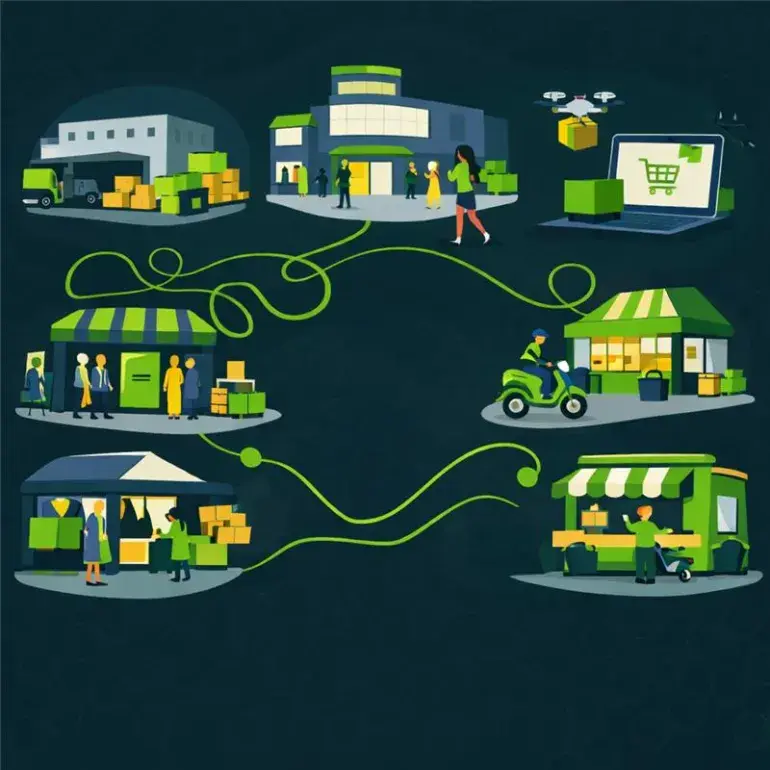
From Kiranas to Organized & Online Retail
For decades, India’s retail story was dominated by small, family-run neighbourhood shops, the iconic “kirana” outlets that catered to local communities. These stores were nimble, relied on personal relationships, and provided credit, bargaining and convenience. However they lacked scale, organization, and integration.
That began to change in the early 1990s with the liberalization of the Indian economy. As trade barriers lowered and FDI, modern retail concepts gradually entered the picture, the door opened for a different kind of retail ecosystem. One that could offer standardized supply chains, consistent shopping experience, broader selection and organized operations.
As disposable incomes rose and urbanization accelerated, people began to value convenience, quality, brand variety, and shopping as an experience. This shift fuelled the growth of malls, hypermarkets, branded stores, and eventually, online retail.
Today, digital adoption (i.e., internet penetration, smartphone usage, and digital payments) has added a new dimension to retail. Many consumers are accustomed to shopping online or using hybrid models. Indian retail has gone from a monolith to a rich mosaic of formats, each catering to different demographics, geographies, and consumer needs.
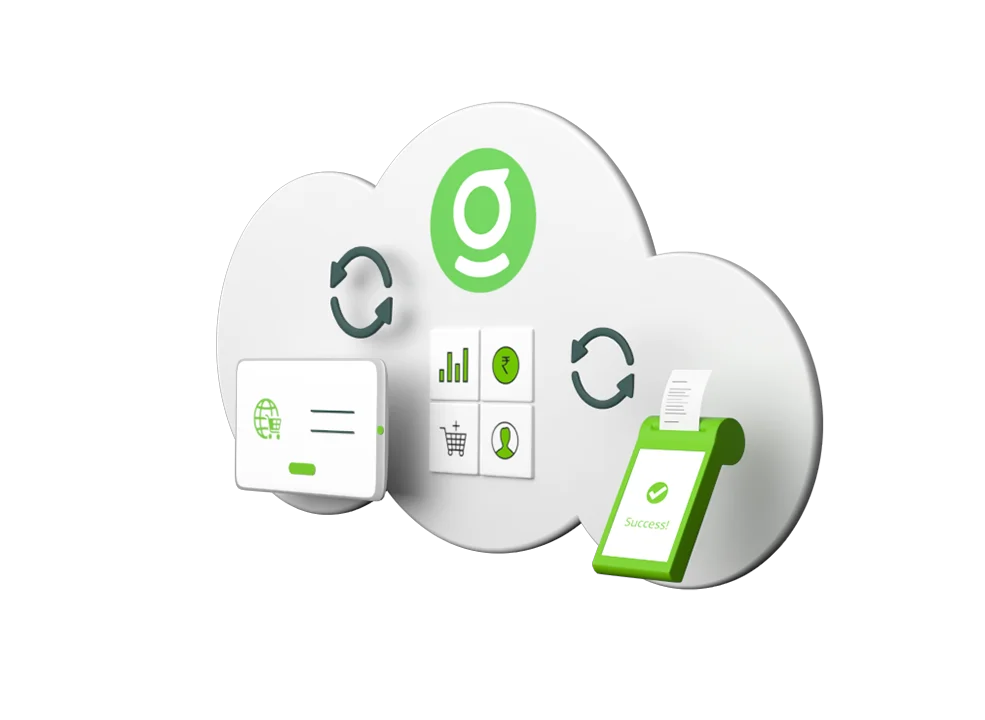
Get real-time visibility across stores, warehouses and online channels to stay ahead of demand shifts.
Mega Stores or Large Format Retail: All-in-One Shopping Destinations
Large-format department stores have played a pivotal role in shaping modern retail in India. Think of retail chains that bring together multiple categories like fashion, home goods, electronics, and accessories under one roof.
Names like Shoppers Stop, Lifestyle and Centro represent this format, offering customers a destination for discovery, variety, and convenience.
Value Proposition
- One-stop shopping: For a customer, department stores offer convenience and breadth. They can satisfy multiple needs (from clothes and home décor to accessories) in a single outing.
- Discovery and experience: These stores often encourage browsing, impulse purchases, and exploration, making shopping as much about experience as acquisition.
- Anchor tenants in malls: Department stores often act as anchor tenants in malls, helping draw footfall that benefits smaller adjacent stores. Their presence adds credibility and draws a broad demographic.
Challenges
- High capital costs, including real estate, store fitouts, and staffing, add significant operational burden.
- Managing diverse inventory across multiple categories increases complexity and risk.
- Supply-chain pressures, from vendor coordination to replenishment cycles, raise overheads.
- Competition from niche/specialty retailers and online marketplaces is eroding traditional traffic.
- Consumers often arrive knowing exactly what they want, reducing the value of broad range browsing.
- Many shoppers prefer specialized stores or online buying, pushing department stores to differentiate.
- To stay relevant, department stores must continually refine merchandising, store layouts, promotions, and omnichannel experiences.
Brand Stores: From Boutique to Flagship Showrooms
Another important pillar of India’s retail evolution is the growth of brand-focused retail. These are formats that range from small single-brand outlets to large exclusive stores and experiential pop-up shops.
Single-Brand Outlets (SBOs) or Exclusive Brand Outlets (EBOs)
Single-brand outlets focus on one brand and often one category. For example, a sports-footwear brand’s store such as Puma or Nike, or a premium clothing brand’s boutique.
These stores offer:
- Deep brand specialization: By focusing on a single brand, EBOs ensure consistent brand experience, controlled merchandising, and brand-aligned pricing.
- Curated customer experience: For brand-loyal customers, EBOs deliver a clean, curated shopping environment, often with brand-trained staff, consistent ambience, and after-sales support.
- Operational control: Brands can directly manage inventory, pricing strategies and customer engagement without intermediaries, which helps maintain brand identity and margin control.
SBOs remain relevant in markets where brand-conscious consumers prefer exclusivity and consistency.
Large Exclusive Brand Stores
Beyond small boutiques, many brands, especially in fashion, fast-fashion or value-oriented segments, are opting for larger storefronts that function almost like mini-malls for a single brand.
These stores combine the advantage of brand exclusivity with broad product mix and scale. For fast-fashion or value brands, this format is attractive because:
- They provide high visibility and brand presence.
- They offer a wide array of choices under the same roof, increasing customer dwell time and basket size.
- They support a mass-market approach, appealing to price-sensitive yet brand-aware consumers.
For brands entering Tier-2 or Tier-3 markets, or expanding rapidly across cities, this format offers a scalable way to establish presence without the overhead of multiple small stores.
Pop-up and Experience Stores
These formats are ideal for brands looking to experiment with formats, gather feedback, and build community engagement without long-term commitment. For new or niche brands or existing brands launching new lines, pop-ups and experience stores provide agile, low-risk ways to test the waters.
- Pop-up stores: These are temporary retail spaces used for testing new markets, launching limited collections, or creating buzz during festivals or festive seasons. Since they are temporary, capital risk is low. Brands can test demand before committing to permanent real estate.
- Experience stores: These go beyond mere selling. They offer immersive brand experiences such as workshops, interactive displays, and events, which create a stronger emotional connection with customers.
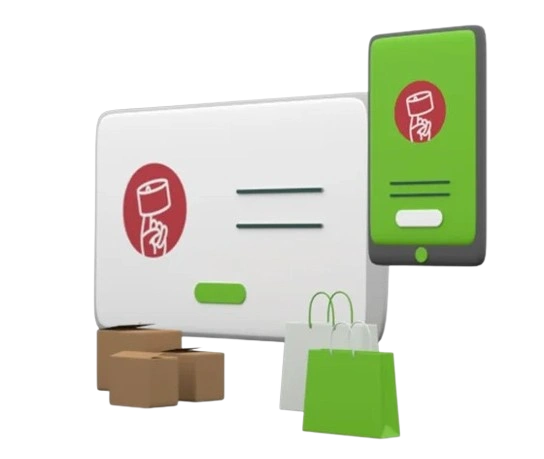
Running both online and offline channels? Synchronize orders and inventory with Ginesys OMS to avoid overselling.
Everyday Retail: Grocery, Franchises & Shopping Malls
While department stores and brand outlets target discretionary and lifestyle purchases, a large portion of retail continues to thrive through formats closer to everyday shopping realities. This includes family malls, franchise-based stores, supermarkets, hypermarkets, and local grocery chains.
Family Malls
Family-oriented malls and regional mall chains combine shopping with social outings. These malls offer a mix of retail, food & beverage, entertainment, and leisure, making them attractive for family outings, weekend shopping, and social gatherings.
Stores like regional clothing retailers (e.g., large textile or apparel chains such as Kalyan Silks or Pothys in South India) often anchor these malls, offering products that appeal to a broad demographic of families, middle-class purchasers, and value seekers.
Such malls and stores serve as community hubs, places where shopping, leisure, and socializing intersect, and help build footfall that supports a range of store formats, from apparel to home décor and daily necessities.
Franchise-Based Retail
- Franchising has emerged as a powerful model for rapid retail expansion in India. Under this model:
- Big brands (national or regional) allow local entrepreneurs to run their stores under the brand name.
- The local franchisee handles day-to-day operations while the brand provides a supply chain, product assortment, brand identity, and support.
This arrangement allows brands to expand rapidly, even into smaller cities, without bearing the entire cost of real estate or local operations.
Franchises allow for faster scale, lower upfront investment, and local-rooted operations, ideal for brands wanting to grow across heterogeneous markets without overstretching capital.
Grocery, Supermarkets & Hypermarkets
At the base of India’s retail pyramid, and perhaps the most resilient, are grocery and convenience formats. These range from traditional kirana stores to modern supermarkets and hypermarkets.
- Neighbourhood kiranas: Still extremely relevant across urban and rural India. They offer convenience, proximity, credit, and personal relationships, making them indispensable to many households.
- Chain supermarkets and hypermarkets: These formats, represented by retail chains, offer variety, price competitiveness, bulk buying, and better supply chain consistency. They appeal to value-conscious customers, bulk buyers, and urban families.
Grocery and convenience retail formats strike a balance among footfall, frequency, necessity and convenience, which makes them resilient even when discretionary spending slows.
Omnichannel Retail: D2C, Marketplaces & Hybrid Commerce
If the earlier phases of Indian retail were about building physical retail capacity, the current wave is about digital disruption and omnichannel convergence. Several models are now reshaping how consumers shop and how brands operate.
D2C (Direct-to-Consumer) Brands
Increasingly, brands are bypassing traditional retail intermediaries and going direct to consumers via their own websites or apps. This model allows them full control over branding, pricing, customer data, and supply chain. For many newer brands, especially those aiming at younger, tech-savvy consumers, D2C offers agility, high margins, and direct engagement.
Interestingly, many D2C brands are now moving offline too, opening small stores or pop-ups to reach customers who prefer physical shopping or to build hybrid presence. This blend of digital-first and physical presence allows greater brand reach and flexibility.
Online Marketplaces and Aggregators
India is home to one of the world’s largest e-retail shopper bases, over 340 million consumers, second only to China. This surge is fuelled by rising internet penetration, affordable smartphones, and a robust digital payments ecosystem. Online marketplaces and aggregators, hosting multiple brands under one roof, have emerged as a major growth engine, offering unmatched convenience, variety, and competitive pricing for a digitally savvy population.
For brands and retailers, marketplaces unlock access to a massive and geographically diverse consumer base, including Tier-2 and Tier-3 cities where building offline presence may not yet be feasible.
Hybrid & Omnichannel Models
Recognizing that neither online nor offline alone can fully address the modern consumer’s needs, many retailers are now adopting hybrid or omnichannel models. This means merging physical stores, online platforms, marketplaces, and backend systems to offer a seamless experience.
It includes several approaches:
- Buy online, pick up in store (BOPIS)
- Unified inventory and order management across offline and online channels
- Real-time stock sync, cross-channel promotions, and integrated customer data
Emerging trends are pushing this further with dark stores, micro-fulfilment centres, social commerce, and experiential digital retail. These hybrid formats help brands respond to demand quickly, reach new geographies, and offer personalized services while managing costs and logistics effectively.
Preparing for peak season or festive demand? Ensure your supply chain and stock flow are ready.
Enabling Smart Growth for Every Retail Model with Ginesys
Ginesys is a cloud-based retail ERP suite built from the ground up for India’s retail value chain. It supports a wide variety of retail models--offline stores, online stores, wholesale and distribution--and scales from single-store operations to large multi-format retail networks.
Unified Inventory & Warehouse Management
Ginesys offers a comprehensive Inventory Management module and Warehouse Management System (WMS) that spans multiple warehouses, stores, and SKUs. It supports rack/bin-level tracking, batch or serial-numbered items, GS1/HSN coding, stock transfers, audits, and real-time inventory visibility.
POS & Billing
With desktop POS for brick-and-mortar stores and cloud/mobile POS, Ginesys supports fast billing, returns, exchanges, inter-store transfers, digital payments, discount schemes, and loyalty or reward tracking.
Omnichannel Order Management
Through its integrated Order Management System (OMS), Ginesys synchronizes orders, inventory, and payments across online marketplaces, e-commerce sites, physical stores, and warehouses. It supports features like unified fulfilment, stock reservation, order routing, and click-and-collect or ship-from-store workflows.
Accounting, Compliance & Financials
Ginesys includes accounting modules tailored for retail: auto-posting of sales, inter-branch stock movement reconciliation, purchase and sale tracking, and built-in support for GST-related compliance including tax coding, invoicing, and e-way bills.
Scalability & Multichannel Support
Whether a retailer runs a kirana-style store, a chain of supermarkets, exclusive brand outlets, D2C e-commerce, or hybrid omnichannel operations, Ginesys offers a flexible, modular platform that adapts as the business grows and diversifies.
What’s Next for Indian Retail
Growing beyond convenience and reach, today’s retail revolution blends technology, sustainability, consumer psychology, and demographic shifts.
Sustainable Retail & Circular Commerce
With rising awareness around climate change, resource scarcity and responsible consumption, sustainable retail is gaining relevance. This also includes circular commerce (reselling, refurbishing, and reuse).
Experience-Led & Omnichannel Shopping
Retail formats that offer immersive shopping, hybrid digital-physical engagement, personalization and convenience stand to win more market share. Expect more interactive stores, experiential showrooms, virtual try-ons, and integrated loyalty programs across channels.
AI, Predictive Logistics, AR/VR
Technology will continue to disrupt retail operations and customer interactions. We’ll likely see widespread use of:
- AI-based demand forecasting to optimize stock, reduce waste, and improve replenishment efficiency.
- Predictive logistics & micro-fulfilment to ensure speed and reliability for online and hybrid orders.
- AR/VR-enabled experiences such as virtual try-ons, immersive product browsing, and digital showrooms.
- Personalized loyalty & omnichannel CRM where data is leveraged to offer tailored recommendations, promotions, and customer journeys.
Tier-2 and Tier-3 Growth
As incomes rise and digital adoption grows, Tier-2 and Tier-3 cities represent the next frontier for retail growth. Organized retail, hybrid formats, and omnichannel models are increasingly penetrating these markets.
Regulatory, Real Estate and ESG Factors
Future retail formats will also be influenced by macro factors such as evolving real estate economics (rents, availability), regulation (local laws, environmental standards), and ESG (environmental and social governance) expectations. Brands and retailers might have to adapt store formats, supply-chains, product sourcing and even logistics to align with new regulations and consumer expectations.

Already juggling online marketplaces and physical stores? Consolidate orders, billing, deliveries and inventory with a unified platform.
India’s retail ecosystem has grown into a dynamic mosaic of hypermarkets and department stores, exclusive brand outlets, pop-ups, online-only D2C brands, hybrid omnichannel retailers, supermarkets, grocery chains, and more. Each format addresses distinct consumer needs, price points, geographies, and behaviours. The market no longer belongs solely to the biggest players, or the oldest formats; it belongs to those who can adapt, meet consumer expectations, and manage complexity efficiently.
As Indian retail advances, from kiranas to clicks, from single-brand boutiques to omnichannel giants, players who embrace omnichannel integration, data-driven operations, integrated supply chains and flexible formats will lead the charge. With Ginesys, retailers get more than software; they get a platform to orchestrate retail at scale with clarity, agility, and intelligence.
Ready to navigate the next frontier of retail in India? Connect with us to see how you can unify every part of your retail operations under one coherent system.
FAQs
How can inventory remain accurate across multiple stores, warehouses, and sales channels (online + offline) to avoid stockouts or over-stocking?
A unified inventory system centralizes stock data from all stores, warehouses, and channels so each sale, return or transfer updates inventory in real-time.
When operating both physical stores and an online store, how can order and inventory synchronization be ensured in real time?
An integrated ERP + POS + OMS stack ensures that orders from any channel instantly reflect in the central inventory, so online or offline sales always update stock across the system.
What system capabilities are required to manage returns, inter-store transfers, vendor returns and stock adjustments efficiently across formats?
The system must support multi-warehouse management, stock transfers, returns handling, and bin/rack-level tracking, all with real-time updates to maintain accurate stock records.
How can one generate actionable insights across different retail formats, for example, SKU-level performance, store-wise sales trends, or format-wise profitability?
Consolidated sales, inventory, and warehouse data enable generation of detailed reports (SKU movement, store performance, format-level margins) that inform replenishment, assortment or expansion decisions.
What are the essential features needed for point-of-sale (POS), billing, payments and checkout to support both large stores and smaller shops/pop-ups?
A flexible POS that works desktop, cloud or mobile, integrates with central inventory, supports returns and exchanges, and handles payments (cash, digital, etc.) ensures smooth operations across both large and small retail formats.