How does a Point Of Sales Software Improve the Retail Business?
Published:
Last Updated:
Point of Sale (POS) is one of the most critical touchpoints in any retail business. It is the moment where a customer completes their shopping journey and makes a purchase. While this interaction may seem simple on the surface, it plays a crucial role in shaping the overall customer experience and directly impacts business performance.
A point of sale system is used when a customer makes a purchase and wishes to complete a transaction. Traditionally, retailers used POS systems merely as cash registers tools to record sales and collect payments. However, in today's fast-paced and digitally driven retail environment, POS software has evolved into a powerful business management tool.
Modern retail is no longer limited to in-store transactions. Customers now interact with brands across multiple channels physical stores, e-commerce websites, mobile apps, and marketplaces. This shift has transformed the expectations from POS systems. Today's POS software must not only process transactions but also integrate seamlessly with inventory systems, customer databases, analytics platforms, and financial tools.
A few years ago, all retail processes such as handling inventory, accounting, and record-keeping were conducted manually and documented on paper. These manual systems were time-consuming, error-prone, and lacked real-time visibility. Retailers often struggled with inaccurate data, delayed decision-making, and inefficiencies that hindered business growth.
Additionally, because of the manpower involved and the time consumed in managing manual operations, retail staff had limited bandwidth to focus on enhancing customer experience. This often resulted in long billing queues, inconsistent service, and missed opportunities to build customer loyalty.
With the advent of advanced POS solutions, retailers now have access to technology that simplifies operations, automates processes, and provides actionable insights. Modern POS systems are designed to empower retailers to make strategic decisions, optimize inventory, improve customer engagement, and ultimately maximize profitability.
Today's POS solutions are also part of larger, integrated retail ecosystems that connect various aspects of the business from billing and inventory to order management, taxation, and analytics. This integration ensures that retailers can manage their entire business from a unified platform, improving efficiency and scalability.
Read on to understand how POS software can assist retail businesses in making the right decisions and driving sustainable growth.
.webp)
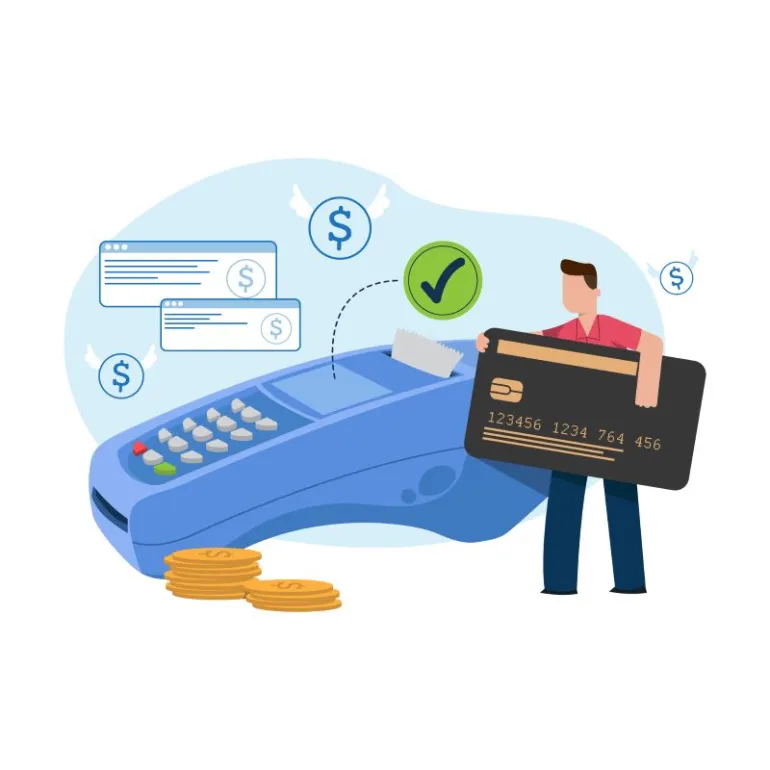
Reduce checkout delays and eliminate billing errors instantly with a modern retail system.
Why Do Retailers Need a Modern POS Software?
A retail business needs modern POS software to eliminate manual human calculation errors, significantly lower checkout wait times, and accept diverse conversational payment methods. In the current retail landscape, speed, accuracy, and customer experience are key differentiators. A modern POS system software makes it easier and quicker for users to complete transactions and receive payments from customers. Whether it is cash, card, UPI, wallets, or contactless payments, POS systems support multiple payment modes, ensuring convenience for customers.
Faster billing not only improves operational efficiency but also enhances customer satisfaction. Long queues and delays at checkout can negatively impact the shopping experience, while quick and seamless transactions leave a positive impression on customers.
Another critical advantage of POS software is accuracy. Manual billing processes are prone to errors, which can lead to discrepancies in financial records and customer dissatisfaction. POS systems eliminate these errors by automating calculations, applying correct pricing, discounts, and taxes, and generating precise invoices.
Accurate data is essential for business decision-making. POS software enables retailers to generate real-time reports on revenue, sales trends, and profit margins. This allows business owners and managers to monitor performance closely and make informed decisions.
Beyond transactions, POS software plays a vital role in enhancing customer experience. Modern systems can capture customer data, track purchase history, and enable personalized interactions. Retailers can offer targeted promotions, loyalty programs, and customized recommendations, creating a more engaging shopping experience.
In today's competitive market, customer loyalty is a key driver of growth. A POS system helps retailers build strong relationships with customers by ensuring consistency, convenience, and personalization.
How Does POS Integration with Inventory Management Work?
POS software integrates with inventory management systems by executing instant, bidirectional stock updates at the exact second a transaction is processed. One of the most powerful features of modern POS software is its ability to integrate seamlessly with inventory management systems. This integration ensures that inventory records are updated in real time whenever a transaction is completed.
For example, when a product is sold, the stock level is automatically reduced in the system. This eliminates the need for manual stock updates and ensures that inventory data is always accurate.
Real-time inventory tracking helps retailers avoid common issues such as stockouts and overstocking. According to retail inventory studies, businesses using automated inventory tracking reduce out-of-stock scenarios by up to 35%. When stock levels fall below a certain threshold, the system can generate alerts or even automate purchase orders. This ensures that popular items are always available for customers.
Inventory integration also improves visibility across multiple stores and warehouses. Retailers can track stock movement, transfer inventory between locations, and optimize distribution based on demand patterns.
Returns and exchanges are another area where POS systems add significant value. Modern POS software records every transaction, making it easy to track returned items and update inventory accordingly. This ensures transparency and reduces the chances of fraud or discrepancies.
In today's omnichannel retail environment, inventory integration becomes even more critical. Retailers often sell products through multiple channels, including physical stores and online platforms. A connected POS system ensures that inventory is synchronized across all channels, preventing issues such as overselling or stock mismatches.
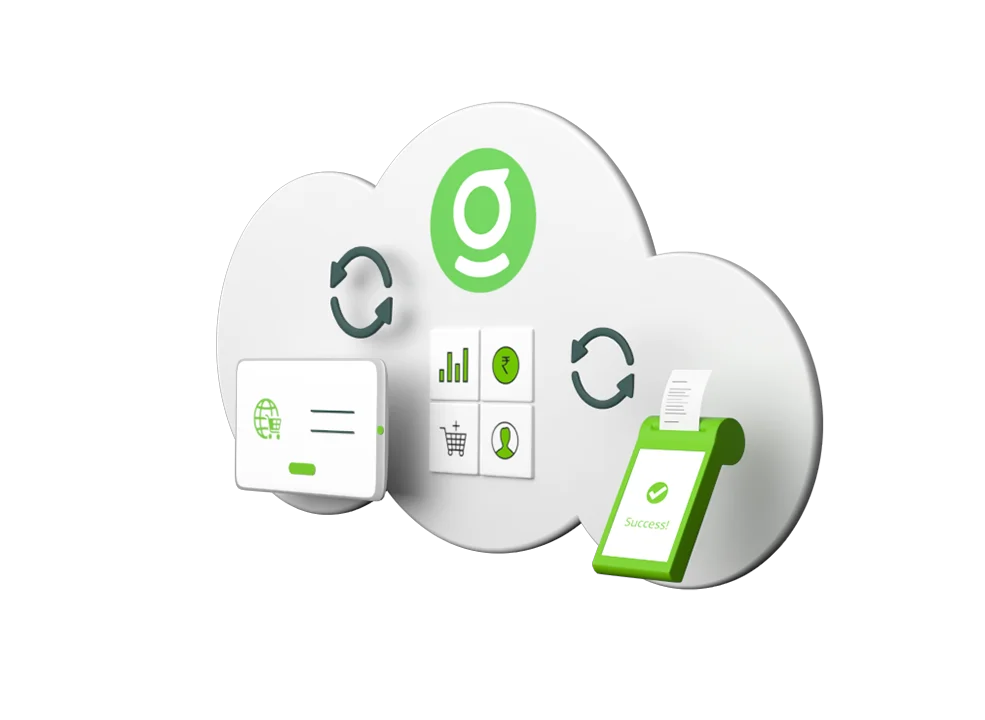
Sync your brick-and-mortar storefronts and warehouses in real-time to avoid costly out-of-stock scenarios.
How Does a POS System Enable Data-Driven Decision Making?
A POS system drives data-backed decisions by compiling real-time telemetry on sales velocity, product margins, employee output, and customer buying cycles into visual intelligence dashboards. Retailers can access comprehensive reports on various aspects of their business, enabling them to make data-driven decisions.
The analytics feature of a POS software delivers valuable insights into factors such as:
- Sales performance across stores and time periods
- Top-selling and slow-moving products
- Customer buying behavior and preferences
- Employee performance and productivity
- Profit margins and cost analysis
With this information, retailers can identify trends, optimize pricing strategies, and improve product assortment. For example, if certain products consistently perform well, retailers can ensure adequate stock levels and promote them further. Similarly, slow-moving items can be discounted or replaced with better-performing alternatives.
Modern POS systems often include advanced business intelligence tools that provide visual dashboards and predictive analytics. These tools help retailers forecast demand, plan inventory, and anticipate market trends.
Customer analytics is another important aspect. By analyzing purchase history and preferences, retailers can create personalized marketing campaigns and loyalty programs. This not only increases customer retention but also boosts overall sales.
Data-driven decision-making reduces reliance on guesswork and enables businesses to operate more strategically.
In What Ways Does Modern POS Technology Enhance Customer Experience?
Modern POS technology improves the customer experience by shrinking transaction times, offering personalized loyalty perks directly at checkout, and facilitating friction-free item returns. From the moment a customer approaches the checkout counter to the completion of the transaction, every interaction matters.
Modern POS systems enable faster billing, reducing wait times and improving convenience. They also support features such as digital receipts, easy returns, and multiple payment options, making the shopping experience more seamless.
POS software also allows retailers to implement loyalty programs and reward systems. Customers can earn points, receive discounts, and enjoy personalized offers based on their purchase history. This creates a sense of value and encourages repeat business.
In addition, POS systems can store customer information, enabling retailers to provide personalized service. For example, staff can recommend products based on past purchases or inform customers about ongoing promotions that match their preferences.
In today's competitive market, delivering a superior customer experience is essential for building brand loyalty and driving growth.
How Does an Omnichannel POS Bridge Online and Offline Retail?
An omnichannel POS bridges online and offline retail by serving as the unified source of truth for orders, combining digital e-commerce web stores, third-party marketplaces, and brick-and-mortar storefronts into one centralized data pool. Retail today is no longer confined to physical stores. Customers expect a seamless experience across online and offline channels.
Modern POS systems can integrate with e-commerce platforms and order management systems, allowing retailers to manage orders from multiple channels in one place. This ensures consistency in pricing, inventory, and customer experience.
Features such as "buy online, pick up in store" (BOPIS), ship-from-store, and unified returns are made possible through integrated POS systems. These capabilities enhance convenience for customers and increase operational efficiency for retailers.
Omnichannel enablement also allows retailers to reach a wider audience and maximize sales opportunities.

Seamlessly connect your physical retail counters with online e-commerce websites and digital marketplaces.
How Do POS Systems Assist with Compliance and Financial Management?
Another important aspect of POS software is its role in ensuring compliance with taxation and financial regulations. Modern POS systems automatically calculate taxes, generate invoices, and maintain accurate financial records.
This is particularly important in regions with complex tax structures, where manual calculations can lead to errors and penalties.
POS systems also integrate with accounting software, simplifying financial management. Retailers can track revenue, expenses, and profitability in real time, ensuring better control over their finances.
An Ideal POS Software for a Retail Business
Choosing the right POS software is a critical decision for any retailer. The ideal POS system should be user-friendly, secure, scalable, and capable of handling the complexities of modern retail operations.
Ease of use is essential, as retail staff need to operate the system efficiently during peak hours. A simple and intuitive interface ensures quick adoption and reduces training time.
Security is another key consideration. POS systems handle sensitive data such as customer information and payment details. Robust security features, including data encryption and access controls, are necessary to protect this information.
Scalability is important for growing businesses. As retailers expand their operations, the POS system should be able to accommodate additional stores, users, and transactions without compromising performance.
Today's POS software is expected to do much more than just process payments. It should integrate seamlessly with other business systems, provide real-time insights, and support omnichannel operations.
Modern retail platforms such as Ginesys bring together POS, ERP, inventory management, analytics, and compliance tools into a unified ecosystem. This integration ensures that retailers have complete visibility and control over their operations.
Such systems streamline day-to-day activities, reduce manual effort, and enable retailers to focus on strategic growth initiatives.

Upgrade your retail billing, real-time inventory management, and omnichannel growth strategy.
Point of Sale software has evolved from a simple billing tool into a comprehensive retail management solution. It plays a vital role in improving efficiency, accuracy, and customer experience.
By automating transactions, integrating with inventory systems, providing analytics, and enabling omnichannel operations, POS software empowers retailers to make better decisions and drive growth.
In today's competitive retail landscape, adopting a modern POS system is no longer optional it is essential. Businesses that leverage advanced POS solutions are better equipped to meet customer expectations, optimize operations, and achieve long-term success.
FAQs
1. How does POS software improve retail operational efficiency?
POS software improves efficiency by automating the entire checkout billing process, updating internal inventory counts instantly, eliminating human calculation errors, and replacing manual spreadsheet reporting with automated data dashboards.
2. Can modern POS systems handle multiple diverse payment methods?
Yes, modern retail POS systems natively support a wide variety of payment options, including traditional cash, credit/debit cards, contactless NFC payments, instant mobile wallets, and localized QR/UPI payment transfers.
3. How does a POS system help in automated inventory management?
A POS system connects directly to your central stock ledger. The moment a customer purchases an item, the software reduces that item from the active stock count across all channels, preventing stockouts, overstocking, and mismatched counts.
4. What is omnichannel retail and how does a POS software support it?
Omnichannel retail is a sales model that unifies the customer shopping experience across physical storefronts, web e-commerce, and digital marketplaces. A modern POS supports it by synchronizing all pricing, product catalogs, and order fulfillments under a single management system.
5. Is cloud-based POS software suitable for small and medium businesses?
Yes, modern cloud POS platforms are highly scalable and utilize flexible tier pricing, making them perfectly suited and affordable for single small boutique shops up to massive multi-location enterprise retail chains.
6. How does an advanced POS system improve the overall customer experience?
It elevates the customer experience by slashing checkout wait times, offering frictionless digital receipts, storing secure shopper profiles to deliver personalized discount rewards, and making product returns incredibly simple.