17 Most Iconic Shopping Hubs of India
Published:
Last Updated:
In a country where retail is worth $900 billion and growing at 10% annually, it’s fascinating that 58% of purchases still happen offline.
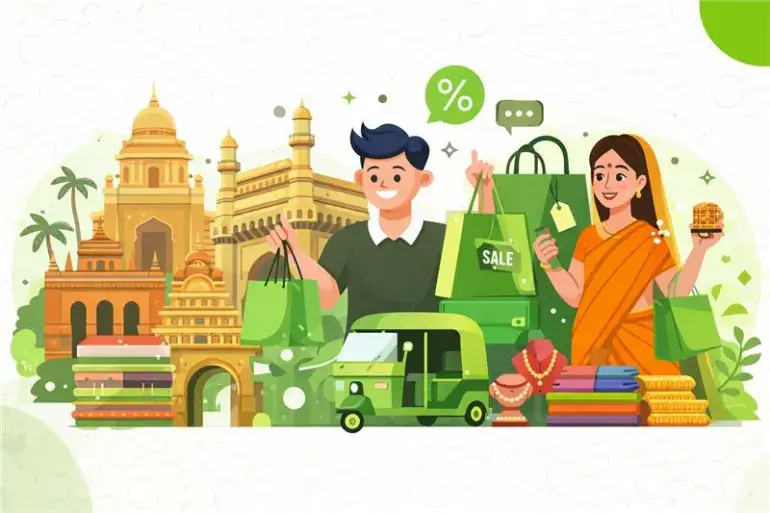
Shopping in India has long transcended mere commerce. Bazaars and markets have historically served as social spaces, community nexuses, and cultural melting pots, often with food stalls, artisans, street performers, and cafés clustered around shops. These traditional bazaars evolved alongside colonial-era markets and modern malls, reflecting India’s retail journey from street-corner trade to globalised retail ecosystems.
Even today, footfall-driven markets continue to coexist with high-street retail and malls, bridging heritage and modernity in a way that remains uniquely Indian. Iconic shopping districts serve both as retail destinations and tourist attractions, contributing significantly to local economies, tourism, and cultural preservation.
For retail businesses, these shopping hubs offer a dual opportunity for tapping into high foot traffic and preserving cultural retail identity.
Join us as we explore 17 of India’s most iconic shopping hubs, their history, character, and role in shaping the country’s retail future.
Delhi’s Connaught Place, Sarojini Nagar, and Hauz Khaz Village
Connaught Place: A Colonial-Era Commercial Hub
Connaught Place (CP) in Delhi is a classic example of how colonial-era design merged with local commerce to create a retail institution. Built with two concentric circles, an inner circle and an outer circle, CP was inspired by Georgian and Edwardian architectural sensibilities, modelled after the Royal Crescent in Bath, England.
Over decades, CP has maintained its dominance as a business and retail hub. Its colonnaded walkways, open layout, and radial roads provide excellent visibility and access for retailers and customers alike. Today, CP houses everything from international luxury brands and boutiques to cinemas, cafés, bookshops, banks, and art galleries, making it a vibrant mixed-use district catering to both retail and leisure.
What makes CP interesting from a business perspective is its dual identity: part upmarket retail and social hub, part cultural-tourist landmark. For retailers, having a presence in CP offers visibility among both high-end shoppers and tourists, a rare combination that many malls aspire to replicate.
Sarojini Nagar: An Export Surplus Fashion Hotspot
Sarojini Nagar Market is the quintessential example of how Delhi’s informal retail adapts to changing consumer demand. Established in the 1950s–60s to serve nearby government-quarters residents, the market was known as Vinay Nagar. By the late 1980s and early 1990s, it had evolved into a hub for export-surplus and factory-reject garments, bringing international fashion to the masses at throwaway prices.
Today, Sarojini caters primarily to value-conscious younger shoppers seeking stylish outfits at a fraction of mall prices. Export surplus from global brands, sometimes with original tags, lands here and gets sold via streetside shops and stalls. That’s why Sarojini remains a magnet for fashion-savvy students, young professionals, and tourists looking for deals.
The ambience is vibrant and chaotic; bargaining is a must, and buyers come prepared to dig through piles of garments. It’s less about boutique polish and more about the thrill of finding, bargaining, and leaving with bags full of trendy clothes.
In this sense, Sarojini represents a modern, price-sensitive, youth-driven retail culture that coexists alongside organized retail, offering a different kind of value proposition: affordability, flexibility, and spontaneity.
Hauz Khas Village: Indie Designers, Artistic Boutiques & Urban Flair
Located in South Delhi, Hauz Khaz is a trendy, artsy market destination set around the historic Hauz Khas Complex. Known for its bohemian vibe, the narrow lanes in and around the Village are lined with contemporary designer boutiques, indie fashion labels, art galleries, quirky home-decor stores, and cafés.
Many of the boutiques here offer unique fashion, handcrafted goods, and accessories that aren’t easily found in conventional malls or high-street outlets, making it a favourite for both locals and tourists. This area blends culture with retail, where a shopping trip often pairs with time spent at cafés and heritage spots by the reservoir.

Never run out of bestsellers when demand spikes. Get real-time inventory control for your store network.
Mumbai’s Colaba Causeway & Linking Road
Colaba Causeway: Tourism Meets Street Shopping
Colaba Causeway is among Mumbai’s most tourist-friendly street-shopping destinations. Located close to the iconic Gateway of India and other heritage landmarks, the Causeway offers a mix of antiques, quirky boutiques, souvenirs, clothes, and streetside stalls, all layered over the city’s old-world charm.
The vibe here is vintage and bohemian. Shoppers can find unique home decor trinkets, boho clothing, handcrafted jewellery, second-hand books, and a blend of souvenirs and street food. The experience is as much about sightseeing, people-watching, café-hopping, and soaking in the old-Mumbai ambience as it is about shopping.
What stands out is the option spectrum, from budget-friendly stalls to boutique stores, from antiques to trendy streetwear, giving shoppers a remarkably wide selection. This heterogeneity makes it attractive for small-business retail as well as for budget-fashion vendors.
Linking Road: Fast Fashion Meets Local Design
Linking Road has carved out a niche as a fashion-street staple in Mumbai. Known for local designers, street stalls, and fast fashion, it caters to residents seeking the latest trends without the hefty labels. On Linking Road, shoppers find everything from stylish apparel and accessories to shoes and bags, often at lower prices than malls or brand outlets.
The street captures Mumbai’s pulse, a mix of high-street mass fashion, street vendors, and rapid turnover. The energy is almost palpable: sidewalks crowded with footfall, shopkeepers calling out, shoppers bargaining, the kind of dynamic that fuels impulse buying, trend-chasing, and rapid inventory turnover.
Like Colaba, Linking Road bridges local taste, street-level pricing, and mass-market footfalls for retailers, forming an interesting ground for fast-moving consumer goods, quick-trend fashion, and micro-entrepreneurs.
Bengaluru’s Commercial Street
This street is one of Bengaluru’s oldest and busiest shopping corridors. Known for its dense retail mix of clothes, footwear, jewellery, electronics, accessories, and food joints, the street offers a one-stop destination for students, officegoers, tourists, and locals alike.
The charm lies in its dual personality: part organised retail street with branded stores, part street-market chaos with small vendors, narrow lanes, and bustling foot traffic. Despite limited parking, the street remains perennially crowded.
What works for Commercial Street is its accessibility and variety. Located in the central business district, close to MG Road and other central hubs, it’s easy to reach. The variety, from budget clothing to footwear and jewellery to electronics, ensures a wide target market. For retailers, especially mid-size and smaller ones, it offers an opportunity to reach high footfall without the overhead of a full-fledged mall.
From a retail-tech perspective, streets like Commercial Street illustrate the high-velocity, small-ticket retail model, frequent footfalls, impulse purchases, and variety-driven browsing. This is exactly the kind of environment where efficient inventory management, quick billing, digital payments, and omnichannel capabilities add value.

Make your heritage bazaar or street store as efficient as a modern retail chain. Sync stock across stores, warehouses, and online channels.
Southern Icons from Chennai, Hyderabad & Coimbatore
Chennai: T. Nagar, The Textile and Gold Jewelry Powerhouse
T. Nagar, and especially its flagship Ranganathan Street, is a renowned textile powerhouse. Known for silk sarees, traditional wear, bridal clothing, and high-volume jewelry stores, T. Nagar has long been the preferred destination for festive and wedding shopping.
For retailers focused on ethnic wear, bridal wear, and festive merchandise, T. Nagar, with its high footfall during festival seasons and weddings, remains a goldmine. The street sustains traditional retail while absorbing modern demand, making it a key node in South India’s retail network.
Hyderabad: Laad Bazaar’s Lace, Bangles & Heritage Crafts
Laad Bazaar, also called Choodi Bazaar, situated near the iconic Charminar, is a historic market dating back to the Qutb Shahi era. It is synonymous with lac bangles, bridal jewellery, imitation jewellery, wedding wear, and traditional crafts, making it a go-to destination for customers seeking ethnic and ornate pieces.
The narrow, legacy-laden lanes packed with tiny shops and labyrinthian footpaths give Laad Bazaar a timeless charm. The market becomes especially vibrant during wedding seasons and festivals, when demand for bangles, bridal wear, and traditional jewellery surges. For artisans and small jewellery makers, this market remains a critical outlet for heritage crafts, sustaining skills and livelihoods that might otherwise be lost.
Hyderabad: Jubilee Hills & Banjara Hills’ Upscale High Streets
Jubilee Hills and neighbouring Banjara Hills form Hyderabad’s premier high-end retail and lifestyle district, known for upscale boutiques, designer stores, cafés, and luxury flagship outlets. These areas are ranked among the Asia-Pacific region’s top high-street shopping streets, attracting both affluent locals and visitors seeking curated fashion, designer apparel, lifestyle goods, and premium dining experiences.
Banjara Hills also blends relaxed café culture with boutique browsing, which is particularly attractive to the Gen Z market, while Jubilee Hills adds more premium retail options and entertainment venues.
Coimbatore: Oppanakara Street’s Textile & Jewellery
Oppanakara Street anchors the retail heart of Coimbatore. Regarded as the busiest shopping district in the city, it features a dense concentration of textile showrooms, especially silk and cotton sarees, jewellery outlets, and garment shops.
Often compared to retail-heavy streets like T. Nagar in Chennai or Commercial Street in Bengaluru, Oppanakara Street combines affordability, variety, and heavy foot traffic. During festival seasons such as Diwali or Pongal, the street witnesses a surge in shoppers as people buy textiles and jewellery for celebrations.
The retail significance of this street lies not just in sales volume but in its role as a regional textile and jewellery hub, one that underpins local supply chains and sustains numerous small-to-medium retailers, artisans, and vendors.
Kolkata’s Bazaar Classics for Every Shopper: New Market & Gariahat:
The Historic Sir Stuart Hogg Market or New Market
New Market, formally known as Sir Stuart Hogg Market, is one of Kolkata’s oldest and most beloved shopping destinations, dating back to 1874. Located around Lindsay Street and Esplanade, this market houses over 2,000 stalls that sell everything from clothing and accessories to food items and electronics, along with a historic food hall with beloved confectioners.
Gariahat: South Kolkata’s Local Shopping & Style Hub
Located along Gariahat Road and Rashbehari Avenue, this market is a bustling retail district that combines traditional and contemporary shopping. Famous for Bengal cotton sarees, gold jewellery, fabrics, handicrafts, and street stalls, it offers both a local shopping culture and a thriving pedestrian life. The area also includes malls like Dakshinapan Shopping Centre against a backdrop of street vendors and foot traffic.

The Pink City’s Johari & Chandpol Bazaars
Johari Bazaar: A Heritage of Gemstones, Jewelry, and Textiles
The city’s oldest and most famous jewellery and handicraft market, Johari Bazar, is renowned for its precious and semi-precious gemstones, silver jewellery, and traditional Kundan, Meenakari and Jadau sets. The very name Johari translates to “jeweller”.
Beyond jewellery, Johari Bazaar’s narrow, labyrinth-like lanes are packed with shops selling textiles, traditional Rajasthani clothing, colourful juttis or mojaris, block-printed fabrics, handicrafts, pottery, blue-pottery ware, home décor items, and quilts.
For wedding shoppers, tourists, and heritage-craft enthusiasts, Johari Bazaar remains a vibrant mix of tradition and commerce, offering both high-end jewellery and affordable handicrafts.
Chandpol Bazaar: Marble Art, Handicrafts & Traditional Commerce
Lying near the historic Chandpol Gate of Jaipur’s old city, this bazaar complements Johari by offering marble sculptures, handicrafts, locally made souvenirs, and traditional artistry. The bazaar captures Jaipur’s artisan legacy, from carved marble home décor to leather goods, traditional textiles, bandhani/lehriya fabrics, and local handicrafts.
A trip through Chandpol’s narrow streets offers an immersion in craftsmanship and heritage, an experience that mass retail or malls can seldom emulate. For artisans and small businesses, Chandpol serves as a critical marketplace, sustaining traditional crafts and promoting cultural tourism.
Together, Johari and Chandpol bazaars sustain Jaipur’s retail identity, with heritage masonry, craftsmanship, textiles, jewellery, and local commerce at its heart. Thus, it forms one of India’s most iconic bazaar ecosystems.
Ahmedabad & Pune Shopping Streets
Ahmedabad’s Law Garden Market
With a markedly different retail atmosphere compared to chaotic street bazaars, Law Garden Market is an evening market set around a green public space, where local artisans display embroidered fabrics, mirror-work garments, traditional crafts, and handicrafts. Many descriptions of India’s iconic street markets highlight Law Garden as a relaxed, community-centred shopping area.
With curbside stalls and a park ambience, its relaxed environment is attractive to families, tourists, and those who prefer a less frenetic shopping rhythm. For craft-orientated brands and local artisans, this market demonstrates how traditional retail can offer a slower, more artisanal alternative to fast-paced high-street shopping.
Pune’s FC Road & MG Road
In Pune, the street shopping scene spans different demographics via two prominent streets: Fergusson College Road (FC Road) and MG Road. Close to educational institutions, FC Road caters to younger shoppers, with quirky fashion, accessories, streetwear and cafés offering an edgy vibe.
Meanwhile, MG Road offers a more mature retail mix, with boutiques, branded stores, and perhaps slightly more formal fashion and accessories. This segmentation illustrates how even within a city, different streets attract different shopper demographics based on their lifestyle, income, and fashion preferences.
For retail brands, FC Road may offer fast fashion and impulse-buy potential, while MG Road provides more stable, higher-ticket items, together offering a diversified local market.

Tired of manual billing, GST complications, and payment slip-ups during busy weekends? Switch to unified POS + billing and make checkout flawless.
Why These Hubs Matter to India’s Retail Future
Cultural Landmarks & Economic Pillars
These iconic shopping hubs are far more than places to buy goods. They are cultural landmarks rooted in history, tradition, and community identity. Whether it’s the pink lanes of Jaipur echoing gemstone heritage, the textile corridors of Coimbatore or Chennai, or the multicultural bustle of Delhi and Mumbai street markets, each hub reflects a city’s identity, craft traditions, and social rhythms.
At the same time, they are economic pillars for micro-entrepreneurs, artisans, small retailers, and street vendors. The sheer volume of footfall, especially during festivals or wedding seasons, supports livelihoods and sustains local economies.
Testbeds for Omnichannel Retail and Digital Integration
These markets present compelling opportunities for omnichannel adoption. Many small shopkeepers are already transitioning to POS systems, digital payments and inventory management to keep up with demand surges, festival rushes, and evolving customer expectations.
For larger brands or newer startups, these markets act as real-world testing grounds for pop-up stores, experimental retail, local collaborations, live retail events, or hybrid offline-online approaches. The heterogeneous mix of clientele—tourists, locals, students, and families across various price segments—makes it ideal to test assortments, pricing, and merchandising strategies.
Sustainable Retail and Preservation of Identity
In the age of homogenised global retail, these hubs preserve India’s retail identity, rooted in craftsmanship, culture, diversity, and human-scale commerce. Modernising them without erasing their character can be a way to combine heritage retail and modern efficiency. This is crucial for sustainable growth and keeping alive small-scale, heritage-driven commerce.
Powering India’s Heritage Markets for the Digital Age
Ginesys is a full-stack retail management platform designed for multi-store and multichannel retail networks. Its suite of tools helps traditional stores, street-market vendors, and heritage-bazaar retailers stay efficient, flexible, and customer-ready.
- Unified Inventory & ERP: Real-time tracking across stores and warehouses helps manage high footfall and seasonal demand, ideal for festive and wedding-season surges common in heritage bazaars.
- Flexible POS Options: Whether a permanent shop, temporary stall or pop-up kiosk, Ginesys supports desktop, mobile, and cloud-based POS, enabling quick billing even in informal or mobile retail setups.
- Multi-Store Billing & Checkout Flexibility: Enables consistent billing, discounts, vouchers and digital payments (cards, UPI, wallets) across multiple outlets, crucial for markets with many small shops and varying payment preferences.
- Omnichannel Readiness: Offline stores can link with e-commerce storefronts or marketplace platforms, enabling click-and-collect or online ordering for shoppers who prefer digital convenience.
- Cloud-Based, Scalable Platform: With minimal IT setup needed, Ginesys works for small shopkeepers and larger retail chains alike, allowing traditional bazaars and street markets to upgrade operations without heavy infrastructure investment.

Whether you operate a small heritage store or a chain across cities, scale operations fast with cloud ERP that requires no heavy IT setup.
India’s iconic shopping hubs reflect a retail identity that’s deeply cultural, diverse, and resilient. As organised retail and e-commerce expand, these markets still hold onto unique values such as authenticity, immediacy, diversity, human connection, and local character.
In the future, we may see more pop-up stores, local brand showcases, live retail events, and hybrid offline-online experiences in these iconic streets, especially as consumers crave authenticity and experience. With sustainability gaining momentum, eco-friendly sourcing, handcrafted goods, and responsible tourism will likely thrive in these vibrant spaces.
To navigate modern Indian retail, businesses need solutions that blend legacy with technology. Ginesys’s unified platform orchestrates retail across channels, seasons, and store types, supporting transformation without erasing identity and scaling micro-retail while preserving heritage.
Ready to combine heritage retail with modern efficiency? Book a demo with Ginesys today.
FAQs
1. What makes India’s iconic shopping hubs unique compared to regular malls?
India’s iconic shopping hubs combine retail with cultural heritage, community life, and local craftsmanship, unlike the standardized experience of malls. They serve as social spaces where tradition and commerce intersect, attracting both locals and tourists.
2. Are these shopping hubs good for modern retail businesses?
Yes, these hubs offer high footfall, diverse customer segments, and opportunities for both small vendors and established brands to test assortments and pricing. They also provide fertile ground for omnichannel experiments like pop-ups and hybrid retail.
3. Do traditional markets still matter in India’s growing e-commerce era?
Absolutely. Despite rapid e-commerce growth, a large portion of purchases still happen offline, and heritage markets remain central to local economies and cultural identity. They continue to draw shoppers seeking authentic experiences and value.
4. How can retailers benefit from technology in heritage shopping districts?
Retailers can use digital tools like real-time inventory, flexible POS, and omnichannel systems to manage high footfalls, seasonal spikes, and diverse payment preferences. Technology helps streamline operations without diluting the local character of these markets.