How to Use POS Data to Scale Your Retail Business in the Omnichannel Era
Published:
Last Updated:
In the present day, retail organizations are generating and collecting data at an unprecedented scale. From customer surveys and feedback forms to website analytics, social media engagement, and in-store interactions, businesses are surrounded by a vast ocean of data. Among all these sources, one of the most critical and actionable streams of data comes directly from the Point of Sale.
POS systems sit at the core of retail operations. Every transaction, every product scanned, every payment made, and every customer interaction at the billing counter contributes to a rich pool of structured data. This data reflects real-time business performance and customer behavior, making it one of the most valuable assets for any retailer.
However, a key question remains — is collecting data enough to grow the business? The answer is no. As Todd Park famously said, "Data by itself is useless. Data is only useful if you apply it." This statement is even more relevant in today's data-driven retail environment.
Collecting data is just the tip of the iceberg. The real value lies in analyzing this data, deriving insights, and acting on them strategically. Retailers who fail to leverage their data effectively often struggle with inefficiencies, missed opportunities, and stagnant growth. On the other hand, those who actively use data to drive decisions are better positioned to optimize operations, enhance customer experience, and scale their business.
Modern POS systems, especially when integrated within a unified retail ecosystem, enable businesses to transform raw transactional data into meaningful insights. These insights help retailers bridge operational gaps, identify growth opportunities, and make informed decisions.
In this article, we will explore three critical areas where POS data can significantly impact business growth and how retailers can leverage this data to scale effectively in today's competitive landscape.
How Does POS Data Optimize Retail Inventory Management?
POS data optimizes retail inventory management by executing automated, real-time stock deductions at the exact millisecond a customer completes a purchase. This instant loop updates stock-keeping unit (SKU) ledgers to prevent out-of-stock scenarios and carrying costs.
With access to accurate inventory data, retailers can:
- Track fast-moving and slow-moving products
- Monitor stock levels across multiple stores
- Identify dead stock and reduce overstocking
- Plan replenishment more effectively
- Manage returns and exchanges efficiently
In today's omnichannel retail environment, inventory management has become even more complex. Retailers must ensure that stock is available across multiple channels physical stores, e-commerce platforms, and marketplaces.
Modern POS systems, when integrated with ERP and order management systems, provide a unified view of inventory across all channels. This enables features such as:
- Real-time stock synchronization
- Ship-from-store capabilities
- Click-and-collect services
- Endless aisle ordering
For example, if a product is out of stock in one store, the system can identify availability in another location and fulfill the order accordingly. This not only prevents lost sales but also enhances the customer experience.
Additionally, advanced analytics tools can use POS data to forecast demand. By analyzing historical sales patterns, seasonal trends, and customer behavior, retailers can predict future demand and plan inventory accordingly.
This level of optimization reduces carrying costs, minimizes stockouts, and improves overall operational efficiency.

Gain complete visibility into inventory across stores and sales channels to make smarter stocking decisions.
What Product Portfolio Insights Can Be Unlocked from Checkout Logs?
Checkout logs unlock deep product portfolio insights by exposing specific item affinity scores, cross-selling margin opportunities, and real-time product velocity shifts. This tracking allows retailers to adjust their product assortment based on factual buyer metrics.
Every sale recorded at the POS provides valuable information about which products are performing well and which are not. By analyzing this data, retailers can gain deep insights into their product portfolio.
POS data helps retailers identify:
- Top-selling products
- High-margin items
- Frequently purchased combinations (basket analysis)
- Seasonal trends and demand fluctuations
- Products that are underperforming or unpopular
These insights enable retailers to make informed decisions about merchandising, pricing, and promotions.
For instance, if certain products are frequently bought together, retailers can create bundled offers or cross-sell strategies to increase average transaction value. Similarly, identifying high-margin products allows businesses to focus on promoting items that contribute more to profitability.
In modern retail, product insights also play a crucial role in assortment planning. Retailers can analyze customer preferences and tailor their product mix to meet demand more effectively.
Advanced analytics platforms further enhance these capabilities by providing:
- Visual dashboards for product performance
- Real-time trend analysis
- Predictive insights for future demand
- Category-wise and store-wise performance comparisons
With the integration of POS systems into broader retail ecosystems, these insights can be combined with data from other sources such as online sales and customer interactions, providing a holistic view of business performance.
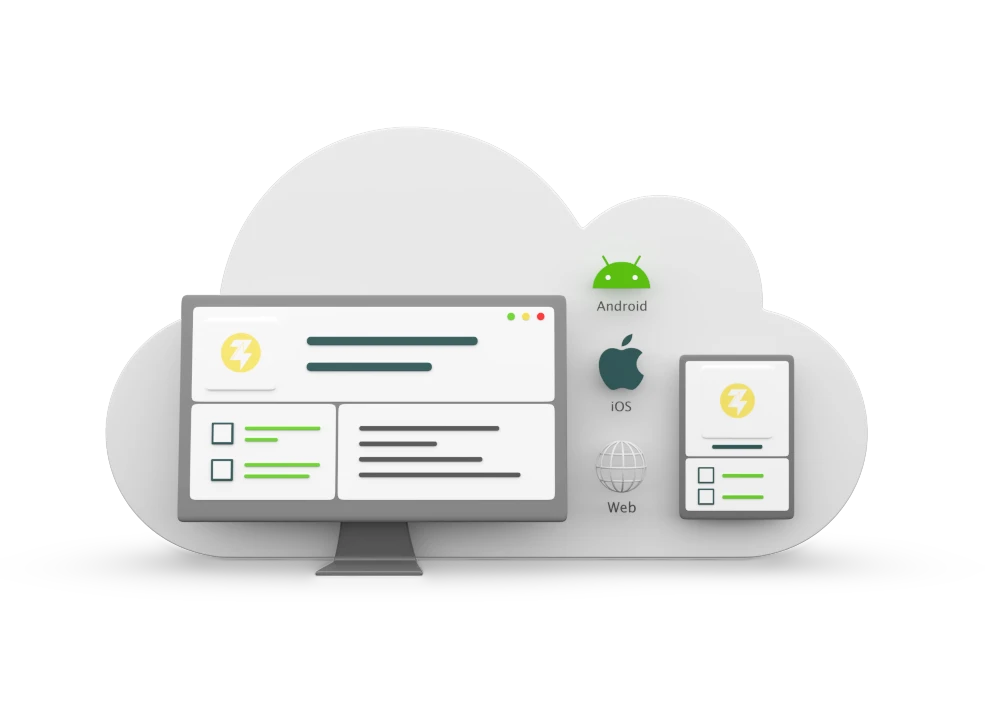
Access real-time sales and transaction data from anywhere to improve operational efficiency.
How Can Retailers Use Transaction Data to Improve Customer Loyalty?
Retailers use transaction data to improve customer loyalty by building segmented buyer profiles based on purchase frequencies, average spend levels, and personal category preferences. These profiles allow storefronts to drop generic, low-response blasting in favor of targeted marketing campaigns.
Acquiring new customers is significantly more expensive than retaining existing ones, making it essential for retailers to focus on building strong relationships with their customers.
POS data plays a crucial role in understanding customer behavior and preferences. Every transaction provides insights into what customers are buying, how often they visit, and how much they spend.
With this data, retailers can:
- Identify loyal customers
- Understand purchase patterns
- Segment customers based on behavior
- Personalize marketing campaigns
At the POS counter, retailers often capture customer details such as contact information, birthdays, anniversaries, and preferences. This data can be used to create personalized experiences, such as:
- Special discounts on birthdays or anniversaries
- Loyalty rewards and points programs
- Exclusive offers for frequent shoppers
- Personalized product recommendations
In today's digital age, customers expect personalized interactions. Generic promotions are no longer effective. Retailers must use data to deliver targeted and relevant offers that resonate with individual customers.
Modern POS systems enable seamless integration with CRM and marketing tools, allowing retailers to automate customer engagement. For example, customers can receive SMS or email notifications about offers, order updates, or new arrivals.
Improving customer experience directly impacts loyalty. When customers feel valued and understood, they are more likely to return and recommend the brand to others.

Connect your stores, marketplaces, and web stores to deliver a seamless shopping experience.
What Modern Enhancements Are Transforming POS Data Performance?
Modern enhancements are transforming POS data performance through cloud accessibility, integrated omnichannel streams, real-time reporting dashboards, and predictive AI data engines.
1. Real-Time Decision Making
Retailers no longer need to wait for end-of-day reports. Modern systems provide real-time dashboards that enable instant decision-making.
2. Omnichannel Data Integration
POS data is now combined with online and marketplace data to provide a unified view of customer behavior and business performance.
3. Advanced Analytics and AI
Artificial intelligence and machine learning are being used to analyze POS data and generate predictive insights, such as demand forecasting and customer segmentation.
4. Cloud-Based Accessibility
Cloud POS systems allow retailers to access data from anywhere, enabling remote management and faster response to market changes.
Why Are Integrated Retail Ecosystems Critical for Scaling Up?
In today's retail landscape, the true power of POS data is realized when it is part of an integrated ecosystem. Solutions that combine POS, ERP, order management, taxation, and analytics provide a comprehensive view of the business.
For example:
- POS systems capture transaction data
- ERP systems manage inventory and financials
- Order management systems handle omnichannel fulfillment
- Analytics platforms transform data into insights
This integration ensures that data flows seamlessly across all functions, eliminating silos and improving efficiency.
Advanced analytics platforms like InsightX take this a step further by consolidating data from multiple sources and providing actionable insights through dashboards and reports. Retailers can monitor performance, identify trends, and make data-driven decisions with greater confidence.
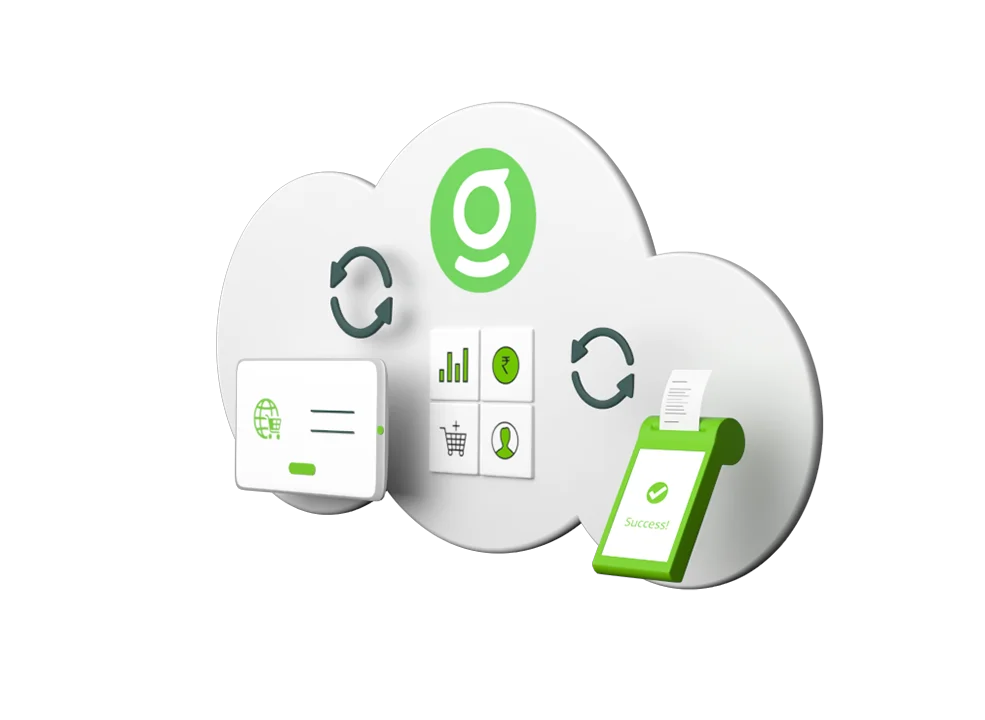
Bring inventory, orders, purchases, and retail operations together on a single platform.
Using POS data effectively is one of the most powerful ways to scale a retail business. While collecting data is important, the real value lies in analyzing and acting on it.
By leveraging POS data, retailers can optimize inventory management, gain valuable product insights, and improve customer loyalty. These factors collectively contribute to increased efficiency, higher sales, and sustainable growth.
In today's competitive retail environment, businesses that embrace data-driven decision-making are better equipped to adapt to changing market conditions and customer expectations.
Modern POS systems, especially when integrated into a unified retail ecosystem, provide the tools and capabilities needed to unlock the full potential of data.
Ultimately, the ability to transform data into actionable insights is what sets successful retailers apart from the rest.

Ready to turn retail data into growth opportunities and scale your business with confidence?
FAQs
1. What is POS data in retail business operations?
POS data encompasses all transactional, customer profile, and financial information captured at a store's billing counter during the final checkout stage.
2. How can POS data assist in retail inventory forecasting?
It tracks historic product velocity, seasonal buying patterns, and cross-store returns, allowing analytics software to predict future stock needs and automate vendor replenishment orders.
3. Can analyzing checkout transaction logs improve consumer retention?
Yes, checkout logs track exact buyer histories and intervals, enabling businesses to segment shoppers and deliver personalized loyalty discounts and targeted promotional alerts.
4. What types of retail business insights can be extracted from a POS terminal?
Retailers can extract real-time sales revenue maps, individual product margin velocities, basket affinity pairings, peak shopping hours, and staff checkout speeds.
5. Why is standalone point-of-sale data insufficient for omnichannel scaling?
Standalone data operates in a silo, meaning storefront sales will not update online e-commerce inventory counts, leading to double-selling issues and disconnected corporate ledgers.
6. How does cloud POS software benefit multi-store retail brands?
Cloud POS software aggregates transaction records from all franchise nodes into a secure central data engine, giving management real-time visibility into overall brand performance.