Customer Loyalty Programs: A Boon for Modern Retail Businesses


Published:
Last Updated:
Customer loyalty has always been one of the strongest pillars of a successful retail business. While attracting new customers remains important, retaining existing ones is often far more valuable. Numerous retail studies over the years have consistently shown that repeat customers contribute a significant share of total revenue, purchase more frequently, spend more per transaction, and are more likely to recommend a brand to friends and family. In an increasingly competitive retail environment, where customers have countless shopping options both online and offline, building long-term relationships has become just as important as acquiring new buyers.
Retail has evolved dramatically since this blog was originally published. Today, customers interact with brands through multiple touchpoints, including physical stores, e-commerce websites, mobile applications, social media platforms, online marketplaces, and messaging channels. They expect consistent experiences across every channel and increasingly value personalised communication over generic promotions. Price alone is no longer the deciding factor for many shoppers. Customers remain loyal to brands that understand their preferences, recognise their purchasing behaviour, and consistently deliver convenience, value, and memorable shopping experiences.
This shift has transformed customer loyalty programs from simple reward-point schemes into comprehensive customer engagement strategies. Modern loyalty programs combine technology, customer data, personalised marketing, and seamless shopping experiences to encourage repeat purchases while strengthening emotional connections with the brand. Instead of rewarding customers only for transactions, retailers now focus on creating meaningful relationships that continue long after the first purchase.
An effective customer loyalty program benefits both retailers and consumers. Customers receive rewards, exclusive offers, personalised recommendations, early access to new collections, birthday benefits, and member-only privileges. Retailers, on the other hand, gain valuable customer insights, improve retention, increase customer lifetime value, and create opportunities for sustained revenue growth.
With integrated Retail ERP, Point of Sale (POS) systems, Customer Relationship Management (CRM), and omnichannel retail platforms, loyalty programs have become smarter and more data-driven than ever before. Every transaction helps retailers understand customer preferences, allowing businesses to deliver more relevant offers while continuously improving the shopping experience.
A successful loyalty strategy is therefore no longer just about distributing reward points, it is about creating lasting customer relationships that translate into sustainable business growth.
Key Takeaway:
Customer loyalty programs work because retention costs less than acquisition, and the retailers getting the most from loyalty are the ones connecting POS, ERP, and customer data into one profile so every reward, recommendation, and re-engagement offer is based on what a customer actually buys, not a generic blanket promotion.
Why Customer Loyalty Matters More Than Ever
The retail marketplace has become increasingly competitive. Consumers today can compare products, prices, reviews, and delivery options within minutes using their smartphones. If one retailer cannot meet their expectations, customers can easily switch to another brand offering similar products. This increased competition has made customer loyalty one of the most important differentiators for retailers.
Acquiring a new customer typically requires significant investment in advertising, digital marketing, promotional campaigns, influencer collaborations, and discounts. Although these efforts help attract first-time buyers, they do not necessarily guarantee repeat business. Customer retention, on the other hand, delivers greater long-term value because existing customers already trust the brand, are familiar with its products, and require less marketing effort to encourage future purchases.
Repeat customers often demonstrate stronger purchasing behaviour than first-time shoppers. They visit stores more frequently, spend more over time, and are more willing to explore new product categories introduced by the retailer. They also tend to be less price-sensitive because their purchasing decisions are influenced by trust, familiarity, and positive shopping experiences rather than discounts alone.
Customer loyalty also creates business stability. A strong base of repeat customers generates more predictable revenue, allowing retailers to forecast demand more accurately, optimise inventory planning, and make informed business decisions. During periods of economic uncertainty or fluctuating market conditions, loyal customers often continue purchasing from brands they trust, helping retailers maintain business continuity.
Beyond financial benefits, loyal customers become valuable brand ambassadors. Positive shopping experiences encourage customers to recommend brands to friends, family members, and colleagues. Word-of-mouth referrals remain one of the most credible forms of marketing because recommendations from trusted individuals carry greater influence than traditional advertising.
Customer Retention: The Foundation of Long-Term Retail Success
Customer retention remains the primary objective of every successful loyalty program. While promotional campaigns may generate immediate sales, long-term profitability depends on encouraging customers to return repeatedly over months and years.
A loyalty program provides customers with practical incentives to continue shopping with a retailer. Reward points, cashback offers, exclusive member discounts, personalised promotions, anniversary rewards, and VIP privileges all contribute to creating additional value beyond the products themselves. Customers begin to associate every purchase with future benefits, making them more likely to return instead of exploring competing retailers.
However, successful customer retention extends beyond financial rewards. Modern consumers increasingly appreciate convenience, personalised communication, responsive customer service, and consistent shopping experiences. Retailers that combine loyalty rewards with personalised engagement build stronger emotional relationships that are much more difficult for competitors to replicate.
Every customer interaction contributes to long-term loyalty. Greeting customers by name, remembering previous purchases, suggesting complementary products, resolving service issues quickly, and recognising loyal members during every visit all help strengthen customer relationships. Technology enables these experiences by providing store associates with access to customer purchase history and loyalty information during each transaction.
Customer retention also creates significant financial advantages. Existing customers generally require lower marketing expenditure than acquiring new customers, while their repeat purchases contribute to higher lifetime value. As customer relationships strengthen over time, retailers benefit from increased profitability without continuously increasing acquisition costs.
Acquiring New Customers While Increasing Sales
Although loyalty programs primarily focus on retaining existing customers, they also play an important role in attracting new ones. A well-designed loyalty program differentiates a retailer from competitors by providing additional value that extends beyond pricing.
Potential customers often evaluate loyalty benefits before making their first purchase. Attractive welcome rewards, referral incentives, exclusive member pricing, or points on initial purchases encourage shoppers to engage with the brand sooner. These benefits reduce hesitation while increasing the likelihood of converting first-time visitors into repeat customers.
Referral programmes have become particularly effective in modern retail. Loyal customers who recommend products or services to friends and family help retailers acquire high-quality customers through trusted recommendations. Because referred customers already receive positive feedback from someone they know, they are more likely to complete their first purchase and continue shopping with the brand.
Loyalty programmes also encourage customers to increase their spending. Customers nearing reward thresholds frequently purchase additional products to unlock discounts or earn bonus points. Seasonal campaigns, member-exclusive offers, and personalised promotions further increase basket value while encouraging customers to explore new product categories.
Integrated retail systems make these programmes even more effective by automatically tracking purchases across physical stores and digital channels. Customers receive a consistent experience regardless of where they shop, while retailers gain a unified view of purchasing behaviour across every touchpoint.
Brand Advocacy: Turning Customers into Brand Ambassadors
One of the most valuable outcomes of a successful customer loyalty programme is the creation of brand advocates. Brand advocacy occurs when satisfied customers voluntarily promote a retailer because they genuinely trust its products, services, and overall shopping experience.
Unlike paid advertising, recommendations from loyal customers carry a high level of credibility. Friends, family members, and colleagues often trust personal recommendations more than promotional campaigns because they perceive them as authentic and unbiased. As a result, loyal customers become an extension of the retailer's marketing efforts without requiring significant additional investment.
Brand advocates also contribute valuable content through online reviews, testimonials, social media posts, and user-generated content. Positive reviews influence purchasing decisions for prospective customers, while social media engagement increases brand visibility and credibility.
Retailers can encourage advocacy by recognising and rewarding their most loyal customers. Referral bonuses, exclusive member events, early access to new collections, and personalised appreciation campaigns strengthen customer relationships while motivating advocates to continue promoting the brand.
More importantly, advocacy is built on consistent customer experiences. Reward programmes alone cannot create loyal advocates if products, customer service, or shopping experiences fail to meet expectations. Retailers that consistently deliver quality, convenience, and personalised engagement naturally encourage customers to recommend the brand to others.
Forecasting Becomes Easier with a Loyal Customer Base
A loyal customer base does much more than generate repeat sales, it provides retailers with predictable purchasing patterns that improve business planning. Customers who regularly shop with a brand create historical purchase data that can be analysed to identify seasonal demand, product preferences, buying frequency, and average order values. This information helps retailers make informed decisions about inventory planning, merchandising, procurement, and promotional campaigns.
Unlike businesses that rely heavily on one-time buyers, retailers with a strong loyalty programme can forecast demand with greater confidence because they have access to consistent purchasing behaviour. If customers repeatedly purchase certain product categories during festive seasons, end-of-season sales, or new collection launches, retailers can prepare inventory in advance and avoid stock shortages.
Better forecasting also contributes to improved inventory management. Overstocking ties up working capital and increases storage costs, while understocking results in missed sales opportunities and dissatisfied customers. By combining loyalty data with sales history, retailers can optimise replenishment cycles and ensure that the right products are available at the right time.
For retailers operating multiple stores and online channels, forecasting becomes even more effective when inventory, sales, and customer information are connected through a unified retail platform. This allows businesses to monitor demand across locations and allocate inventory more efficiently, improving both operational efficiency and customer satisfaction.
Getting to Know Your Customer
One of the greatest advantages of a customer loyalty programme is the ability to understand customers beyond individual transactions. Every purchase, return, product preference, and shopping frequency contributes to a comprehensive customer profile that enables retailers to deliver more personalised experiences.
Modern consumers expect brands to recognise their preferences rather than sending generic promotional messages. Loyalty programmes provide valuable insights into customer behaviour, including preferred product categories, spending habits, preferred shopping channels, and purchasing frequency. Retailers can use this information to create targeted marketing campaigns that are more relevant and engaging.
For example, customers who frequently purchase premium products can receive exclusive previews of new collections, while occasional shoppers may be encouraged through personalised discounts or loyalty point accelerators. Birthday rewards, anniversary offers, and recommendations based on previous purchases create meaningful interactions that strengthen customer relationships.
Customer data also helps retailers re-engage inactive customers. Instead of treating every customer the same, businesses can identify shoppers who have not made a purchase for several months and reach out with personalised incentives designed to encourage them to return. Winning back existing customers is often more cost-effective than acquiring entirely new ones, making customer insights a valuable asset for long-term growth.
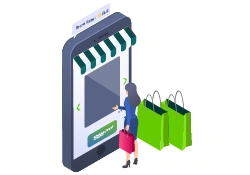
See how connected customer data turns into personalised offers that actually convert.
Modern Customer Loyalty Programmes: Beyond Reward Points
Customer loyalty programmes have evolved considerably over the past decade. Traditional point-based systems continue to be effective, but today's retailers are increasingly combining rewards with personalised experiences, convenience, and exclusive services.
Many successful retailers now offer tiered loyalty programmes where customers unlock additional benefits as they spend more. Higher membership levels may include faster reward accumulation, early access to new products, exclusive shopping events, complimentary services, or priority customer support. These programmes encourage customers to remain engaged while increasing their overall lifetime value.
Digital loyalty has also become an important part of the customer experience. Mobile applications, digital wallets, QR code-based memberships, and cloud-based customer profiles eliminate the need for physical loyalty cards while making rewards easily accessible across every shopping channel. Customers can earn and redeem points whether they shop in-store or online, creating a seamless omnichannel experience.
Gamification is another growing trend. Retailers encourage engagement through challenges, milestone rewards, referral campaigns, and limited-time bonus events. These initiatives create excitement around the loyalty programme while motivating customers to interact with the brand more frequently.
Increasingly, loyalty is being built around experiences rather than discounts alone. Invitations to exclusive launches, personalised styling consultations, members-only shopping events, and early product access create emotional connections that strengthen long-term customer relationships.
Role of Technology in Customer Loyalty
Technology has fundamentally changed how retailers manage customer loyalty. Modern loyalty programmes are no longer standalone applications, they are integrated into the broader retail ecosystem, connecting customer engagement with billing, inventory, promotions, analytics, and order management.
Every transaction completed at the Point of Sale (POS) can automatically update loyalty points, recognise customer membership, apply eligible offers, and record purchasing behaviour. This automation improves both customer convenience and operational efficiency by eliminating manual intervention.
Integration with Retail ERP and customer management systems enables retailers to maintain a single view of every customer. Whether purchases occur in-store, online, or through marketplaces, customer information remains centralised, allowing businesses to deliver consistent experiences across all touchpoints.
Advanced analytics further strengthen loyalty strategies by identifying high-value customers, monitoring campaign effectiveness, measuring repeat purchase behaviour, and evaluating customer lifetime value. These insights help retailers continuously refine their loyalty programmes and maximise return on investment.
Artificial Intelligence is also beginning to influence customer loyalty. AI-powered recommendation engines analyse purchasing patterns and browsing behaviour to suggest products that customers are more likely to purchase. Predictive analytics can identify customers at risk of becoming inactive, allowing retailers to engage them proactively with relevant offers before they disengage completely.
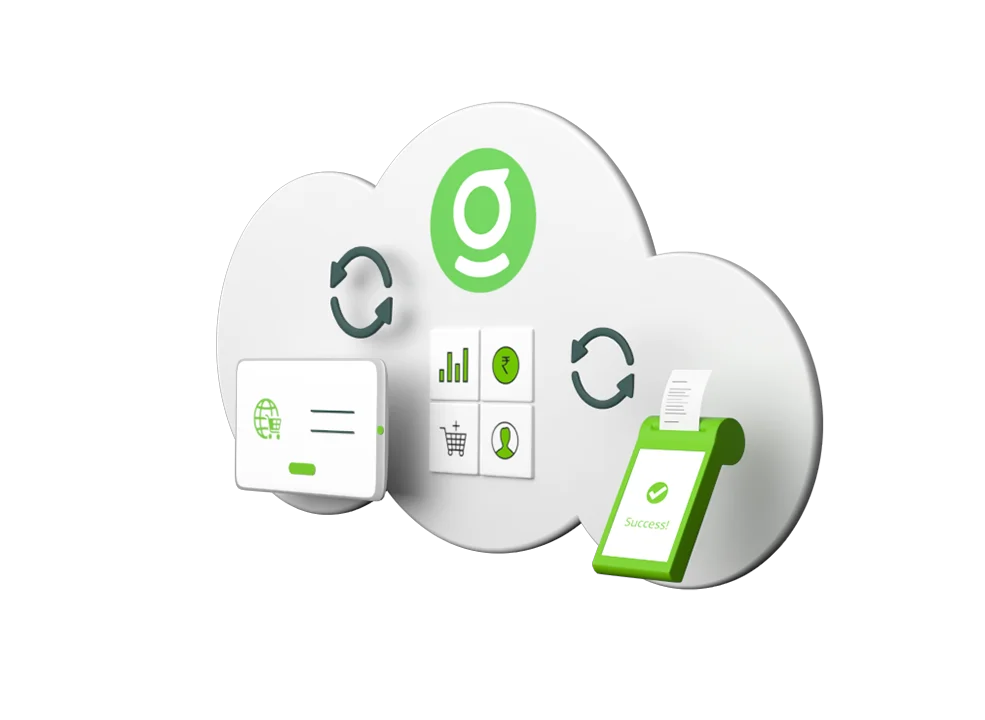
Connect loyalty, billing, and customer data into one system with Ginesys ERP.
How Ginesys Supports Customer Loyalty
As retail businesses expand across physical stores, e-commerce websites, marketplaces, and mobile commerce, managing customer loyalty becomes increasingly complex. This is where an integrated retail technology platform plays an important role.
Ginesys provides retailers with an integrated retail ecosystem that connects core business functions, including Retail ERP, Point of Sale (POS), inventory management, omnichannel commerce, warehouse operations, and customer data. By integrating customer information with day-to-day retail operations, businesses can create more personalised and consistent shopping experiences.
Through its POS capabilities, customer details and purchase history can be captured during billing, enabling retailers to recognise repeat customers and support loyalty initiatives more effectively. When customer transactions are linked with inventory and sales information across multiple stores and digital channels, retailers gain a unified view of customer behaviour that helps deliver targeted promotions and personalised engagement.
Because Ginesys also supports omnichannel retail operations, businesses can provide a consistent customer experience regardless of where purchases are made. Whether customers shop in a physical store, through an online storefront, or across integrated sales channels, retailers can maintain centralised customer records and improve engagement using accurate transactional data.
In addition, the analytics capabilities available within the Ginesys retail ecosystem help businesses understand purchasing trends, identify their most valuable customers, evaluate campaign performance, and make informed decisions based on real-time business insights. These capabilities allow retailers to move beyond generic promotions and build data-driven loyalty strategies that support long-term customer retention.
For growing retailers, having customer, sales, inventory, and operational data connected within a single retail platform simplifies loyalty management while creating opportunities to deliver more personalised shopping experiences.
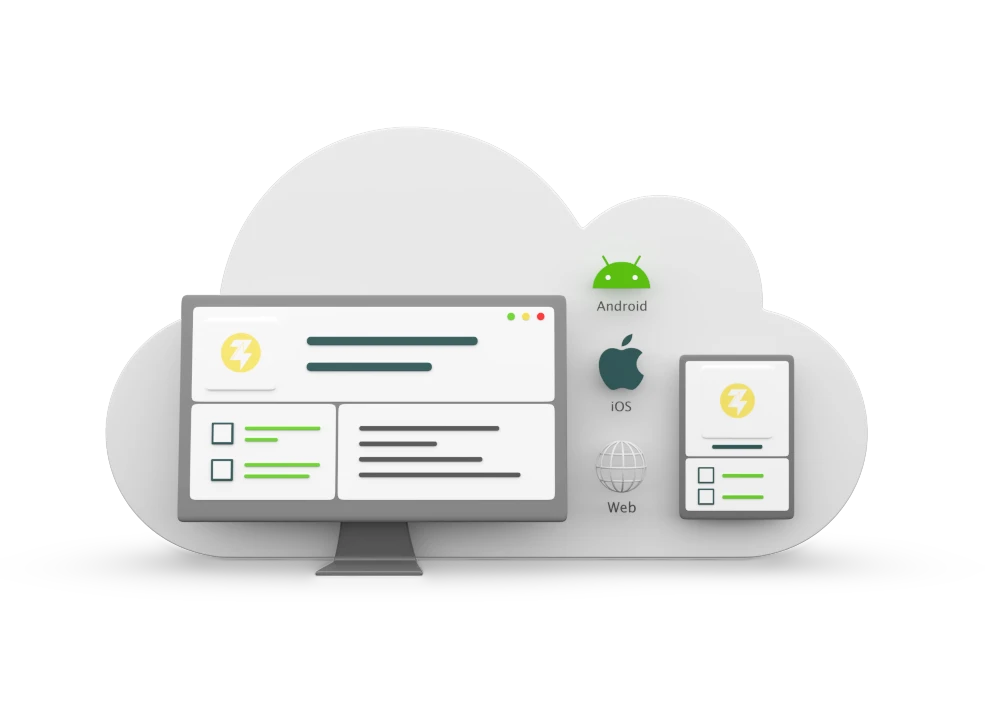
See how POS-captured loyalty data flows into one connected customer view.
Bringing It All Together
Customer loyalty has always been one of the strongest drivers of retail success, but its importance has grown significantly as the retail industry has become increasingly digital and competitive. While attracting new customers remains essential, long-term business growth depends on building meaningful relationships that encourage customers to return again and again.
Modern loyalty programmes are no longer limited to collecting points. They combine personalised engagement, data-driven insights, omnichannel experiences, and integrated retail technology to create lasting customer relationships. Businesses that understand their customers' preferences and consistently deliver value are far more likely to increase customer retention, improve lifetime value, generate positive word-of-mouth, and achieve sustainable growth.
Technology has become the foundation of successful loyalty management. Integrated retail platforms help businesses connect customer information with sales, inventory, promotions, and analytics, enabling retailers to deliver relevant offers and seamless experiences across every channel.
For retailers looking to strengthen customer relationships while improving operational efficiency, investing in an integrated retail platform such as Ginesys can provide the visibility, automation, and business intelligence needed to build scalable, customer-centric loyalty programmes. By combining accurate customer data with modern retail technology, businesses can transform loyalty from a simple rewards initiative into a long-term competitive advantage.

Ready to turn customer data into stronger retention and repeat sales?
Frequently Asked Questions (FAQs)
1. What is a customer loyalty programme?
A customer loyalty programme is a structured marketing initiative that rewards customers for repeat purchases and ongoing engagement. It encourages long-term relationships through benefits such as reward points, discounts, exclusive offers, cashback, or membership privileges.
2. Why are customer loyalty programmes important for retailers?
They help improve customer retention, increase repeat purchases, strengthen brand loyalty, generate valuable customer insights, and reduce the cost of acquiring new customers.
3. How do loyalty programmes increase sales?
Loyalty programmes encourage customers to shop more frequently, increase their average order value, participate in exclusive promotions, and refer new customers through referral incentives.
4. How does customer data improve loyalty programmes?
Customer purchase history and shopping behaviour enable retailers to personalise offers, recommend relevant products, re-engage inactive customers, and create targeted marketing campaigns that improve customer satisfaction.
5. Can loyalty programmes support omnichannel retail?
Yes. Modern loyalty programmes allow customers to earn and redeem rewards seamlessly across physical stores, e-commerce websites, mobile applications, and other integrated sales channels.
6. How does Ginesys help retailers manage customer loyalty?
Ginesys integrates customer loyalty program software with Retail ERP, POS, inventory management, omnichannel operations, and analytics, enabling retailers to maintain a unified customer view, support personalised engagement, and make data-driven decisions that strengthen customer loyalty.
7. Are loyalty programmes suitable for small and medium-sized retailers?
Absolutely. Even smaller retailers can benefit by improving customer retention, increasing repeat business, gaining customer insights, and building stronger relationships without significantly increasing marketing costs.